
Scaling Tradition: How Fogo de Chão Expands the Art of Churrasco Across America
For over four decades, Fogo de Chão has introduced diners worldwide to the culinary traditions of southern Brazil. As the brand continues its rapid nationwide expansion, it balances maintaining centuries-old Gaucho heritage with innovating for modern regional markets.
Preserving the Gaucho Roots in Modern Expansion
At the core of the restaurant’s identity is an unwavering commitment to authentic open-flame cooking and traditional hospitality. Founded in 1979 by two sets of brothers raised in Gaucho culture, the brand relies heavily on its trained chefs to deliver an authentic experience.
“Everything we do goes back to our roots in southern Brazil,” says Marcia Bonfada, Area Director of Operations. “As we’ve grown into a global brand, we’ve stayed focused on bringing the Culinary Art of Churrasco to the world while staying true to our origins.”
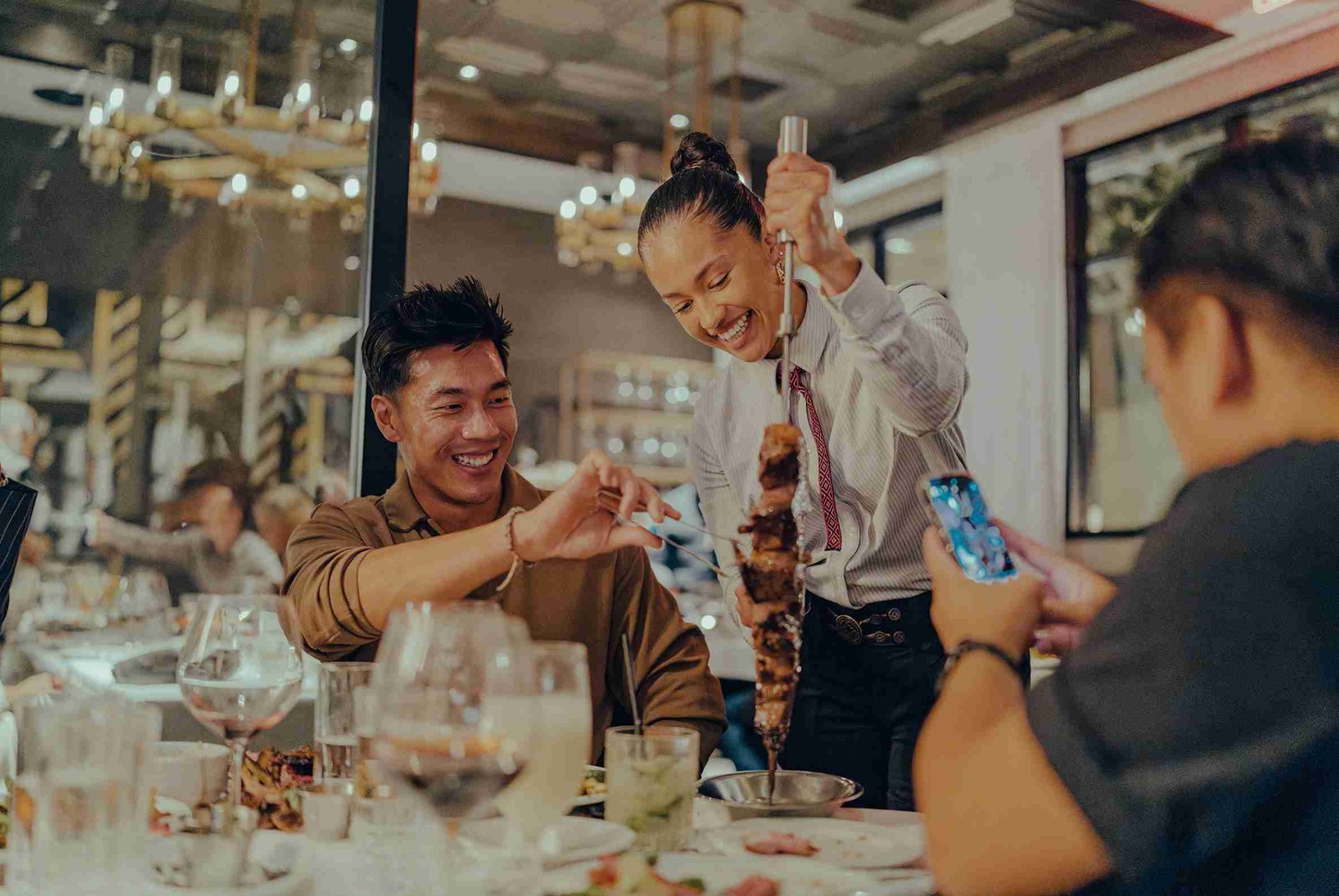
Central to that promise are the Gaucho Chefs—or passadors—who undergo rigorous training covering butchery, seasoning, open-flame grilling, and tableside carving. This extensive education ensures that staff can seamlessly share the storytelling and tradition behind every cut of meat.
“A Gaucho Chef should be able to explain what they’re serving, how it’s prepared and what makes that cut different,” Bonfada explains. “That combination of technical training, cultural knowledge, and genuine hospitality helps keep the experience consistent across our restaurants.”
Core Elements and Signature Standards
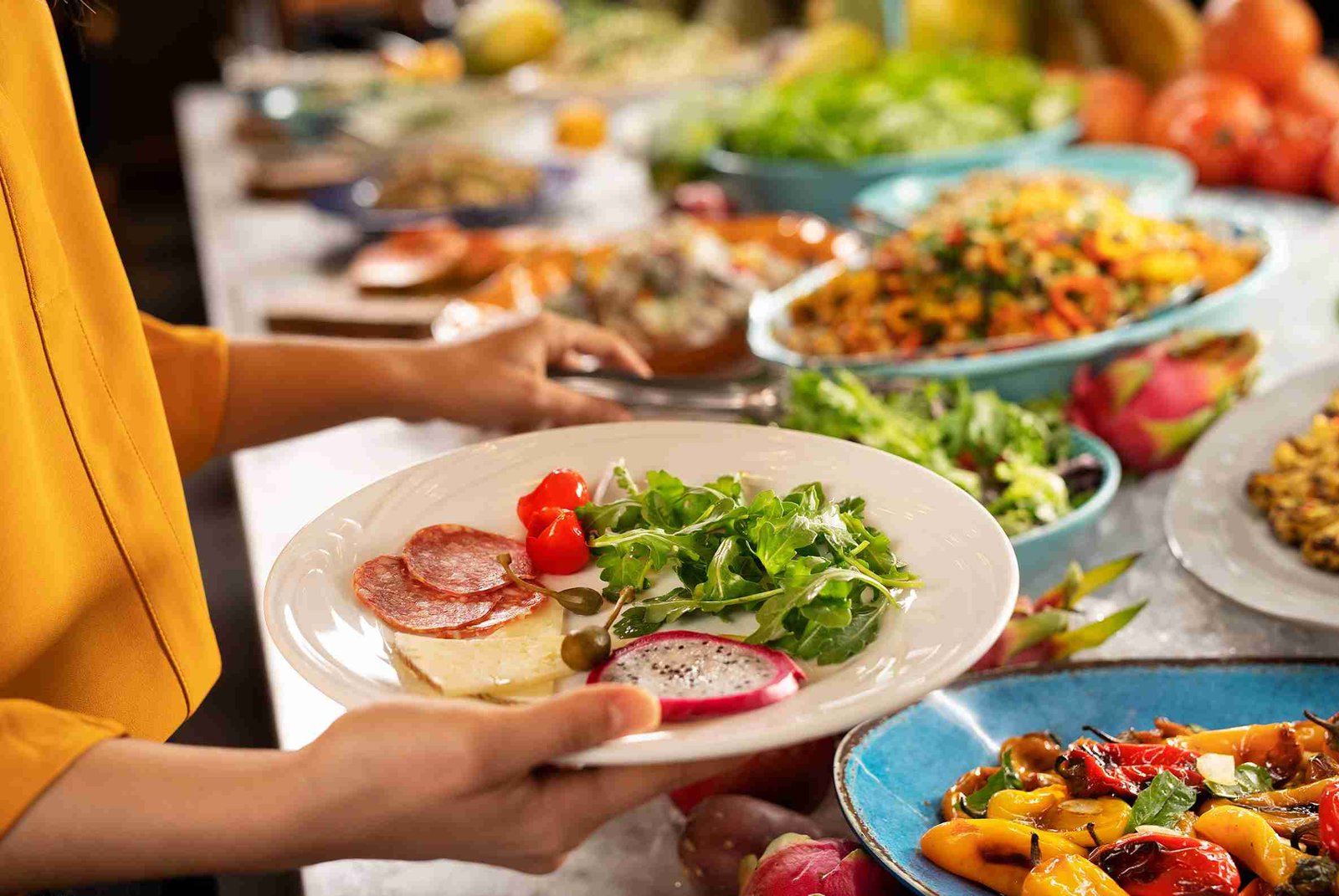
Whether dining in South America or at major U.S. destinations, key components remain the same across all locations. The full rodízio experience features continuous tableside service, open-flame grills, and access to the Market Table & Feijoada Bar. Signature offerings cater to every dietary preference, ranging from classic churrasco and premium add-ons like lobster tail to expansive plant-forward, vegetarian, and vegan options.
Maintaining strict recipe consistency across international supply chains is vital to scaling. For staple items like pão de queijo (traditional Brazilian cheese bread), the brand imports key ingredients directly from South America.
“Sourcing yucca flour, a key ingredient, directly from Brazil helps preserve the authentic flavor and texture of our recipes across all markets,” Bonfada notes.
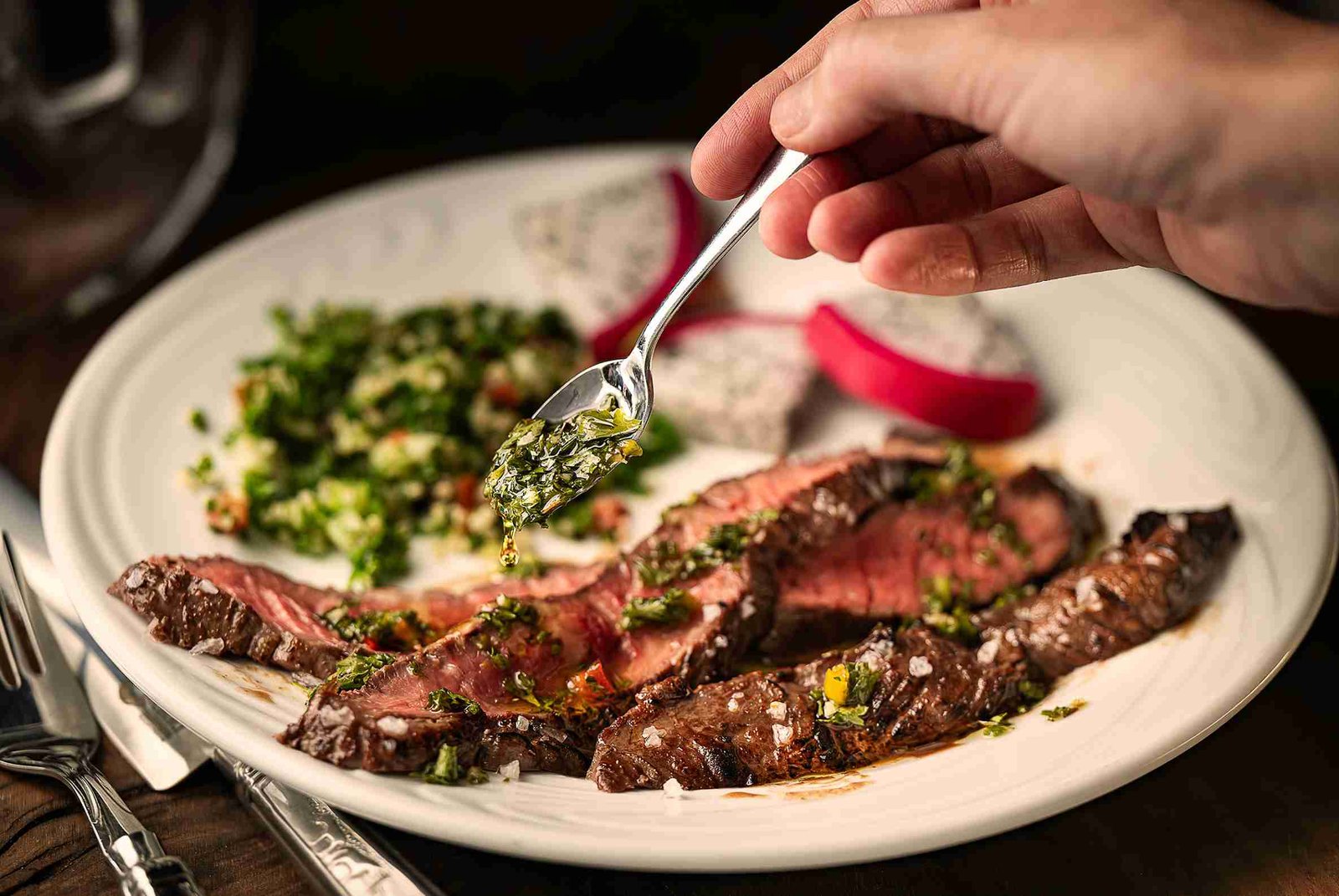
Similarly, the preparation for picanha—the prime top sirloin cap that serves as Fogo’s signature cut—follows strict traditional standards. The beef is grilled with its fat cap intact over an open flame, seasoned with simple coarse rock salt, then carved thinly against the grain at the table.
“The combination of the open flame, fat cap and tableside carving creates the signature flavor and salty bark texture guests associate with Fogo,” says Bonfada.
Balancing Tradition with Flexible Dining Options
To appeal to changing guest habits, locations incorporate distinct dining settings under one roof, such as the casual Bar Fogo alongside traditional main dining rooms. Guests can sit down for a complete, indulgent rodízio meal or stop in for lighter options, South American wines, and All-Day Happy Hour cocktails.
The approach shines at flagships like the Grand Canal Shoppes location in Las Vegas, which features open grills on both floors and custom layouts tailored to its environment.
“At Grand Canal Shoppes, we have all three in one restaurant,” Bonfada shares. “The lower level offers a more casual connection to the Grand Canal concourse, while the upper level offers a traditional dining experience and private dining.”
Adapting Design and Community Connections
When entering new American cities, Fogo de Chão pairs Brazilian architectural elements—such as warm woods, natural leathers, brass, and stone—with local architectural nuances and community outreach. When opening new locations, the company frequently partners with local organizations, such as donating a portion of opening-week proceeds to regional food banks.
“When entering a new market, we focus on bringing our authentic Brazilian heritage and hospitality to the local community while building meaningful connections,” Bonfada emphasizes.
Through strict culinary standards, thoughtful architectural adaptations, and extensive chef training, Fogo de Chão successfully scales its heritage while inviting new communities to experience authentic Brazilian churrasco.