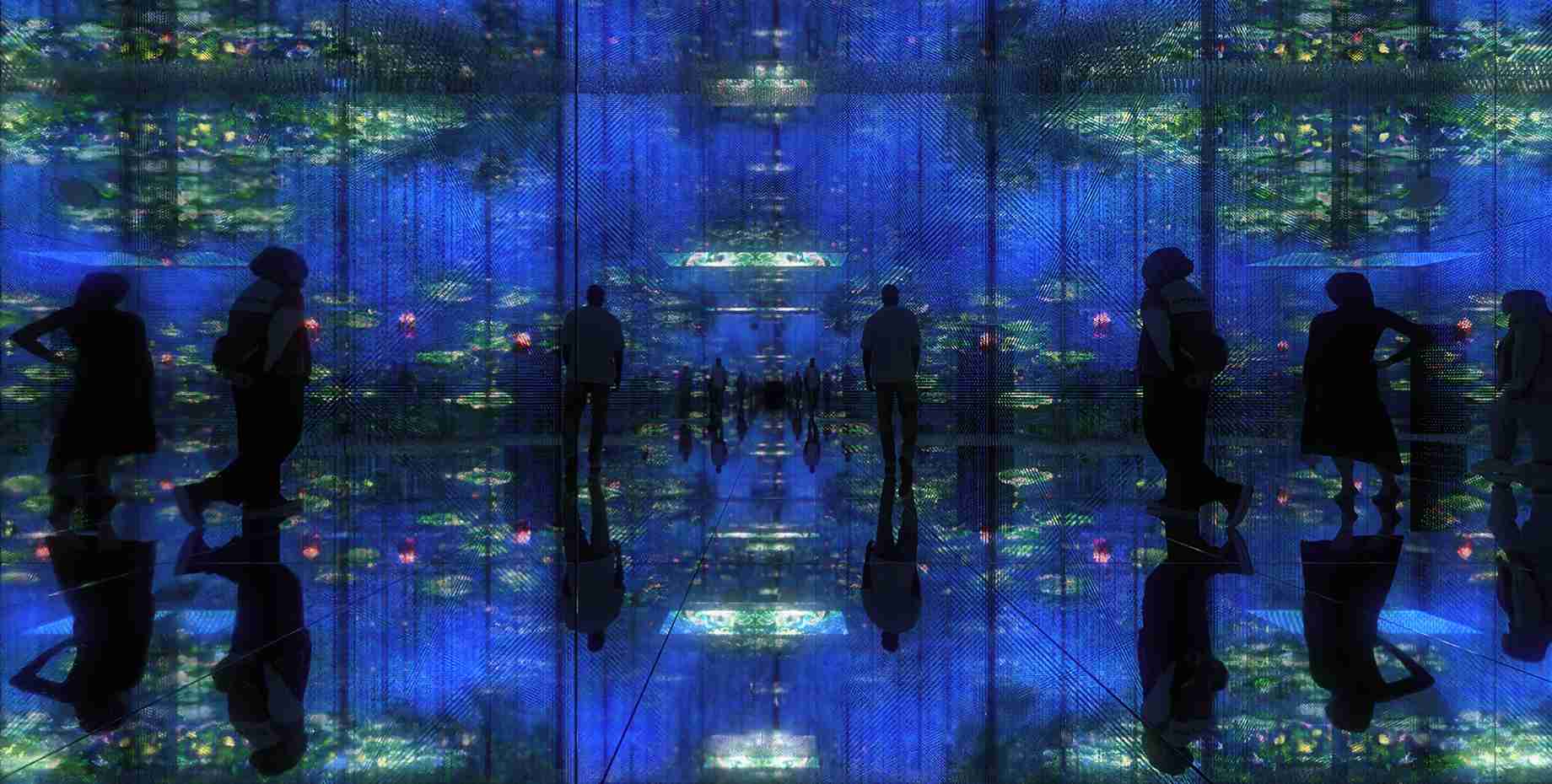
Mercer Labs: Where Art and Technology Converge in New York City
At the heart of New York City, a new kind of museum is redefining the boundaries between artistic vision and technological innovation. Mercer Labs describes itself as a space “dedicated to the convergence of art and technology,” where visitors are invited to experience creativity in its most immersive and adaptive form. Co-founder and Creative Director Roy Nachum explains that this convergence is not simply about adding screens or digital effects to art—it is central to the institution’s structure and mission.
“Mercer Labs is not simply engaging with technology — it is built around it, structurally and creatively. Technology is the canvas; it is a contemporary material. What distinguishes Mercer Labs is that it is an artist-led institution with a fully in-house creative studio. Every exhibition, environment, and transformation originates from within the institution itself, under a single artistic vision. That allows the museum to move with a speed and coherence that traditional museums cannot achieve,” Nachum says.
“Technology allows the space itself to function as a canvas — adaptable, responsive, and capable of evolving in real time. This makes it possible to engage with contemporary culture as it unfolds, not in retrospect. Over the past two years alone, Mercer Labs has undergone multiple transformations, produced a wide range of exhibitions, and engaged in meaningful collaborations across art, music, and technology. The mission is not to chase relevance, but to maintain it through authorship, agility, and creative control. Mercer Labs exists to demonstrate what a museum can be when art, technology, and production are integrated into a single living system.”

Designing a Cohesive Journey Through Immersive Spaces
With 15 distinct interactive exhibition spaces, a primary challenge for Mercer Labs was creating a visitor journey that feels coherent while moving through technologically driven and immersive environments. “The intention was to build an institution that reflects the conditions of the present moment. We live within technology — it shapes culture, authorship, communication, and memory. Yet, many museums still operate as if these forces are external or theoretical. Mercer Labs was conceived as a place where technology is acknowledged as a primary medium of our time and treated with rigor rather than nostalgia. It is a space for exploration, not explanation,” Nachum explains.
Visitors experience the museum as a progression of spatial ideas rather than a linear narrative. “Each room is a distinct environment with its own logic, scale, and rhythm. Together, they form a sequence that allows visitors to move between concentration and openness, precision and abstraction. The goal is not to direct interpretation, but to create conditions in which perception can shift naturally. This allows for a more direct and physical relationship between the visitor and the artwork,” Nachum says.
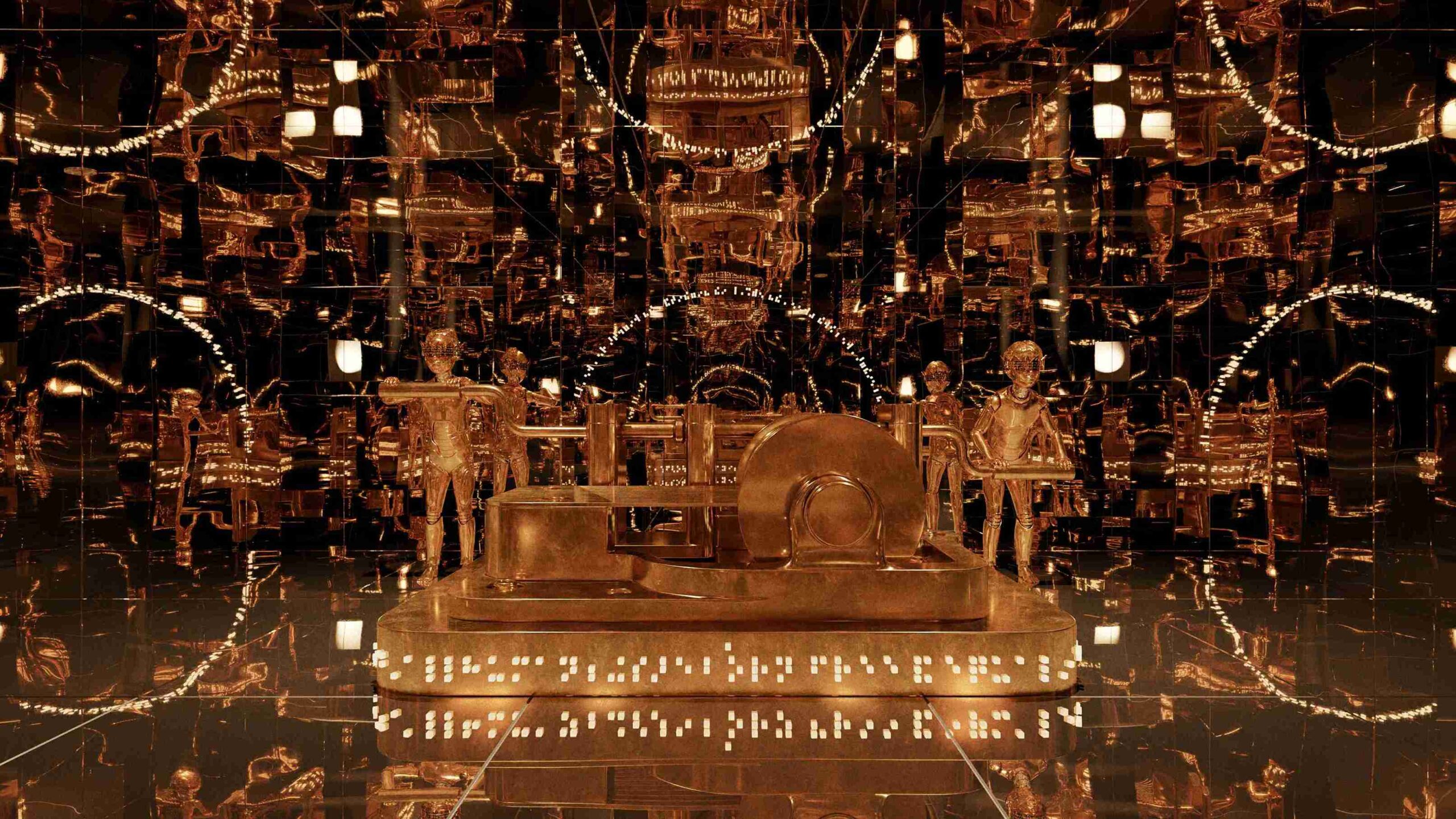
“Maestros and the Machines”: Immersion in the Artist’s Mind
One of Mercer Labs’ standout exhibitions, “Maestros and the Machines,” explores human-machine interaction by placing visitors inside the experience of a work of art. Nachum describes the concept as a dialogue across time: “The exhibition considers technology as a continuation of artistic innovation rather than a rupture from it. I wanted people to experience art history from the inside. Through sound, light and perception, to feel the works, to be fully immersed in the masterpiece. You are inside the painting, the symphony, the artist’s mind. ‘Maestros and the Machine’ extends that lineage by examining how contemporary tools can engage with historical works. People ask, ‘Will machines replace us?’ That’s the wrong question. Tools don’t replace intention. They amplify it. Classical artists were innovators.”
Advanced technology enables these interactions without overshadowing the artistic experience. “The relationship is one of authorship and intention. The advanced technology is what allows the experience to exist. The machine introduces precision, repetition, and scale. Two-dimensional works become environments. Technology is not autonomous here — it is directed, questioned, and shaped by human sensibility,” Nachum emphasizes.
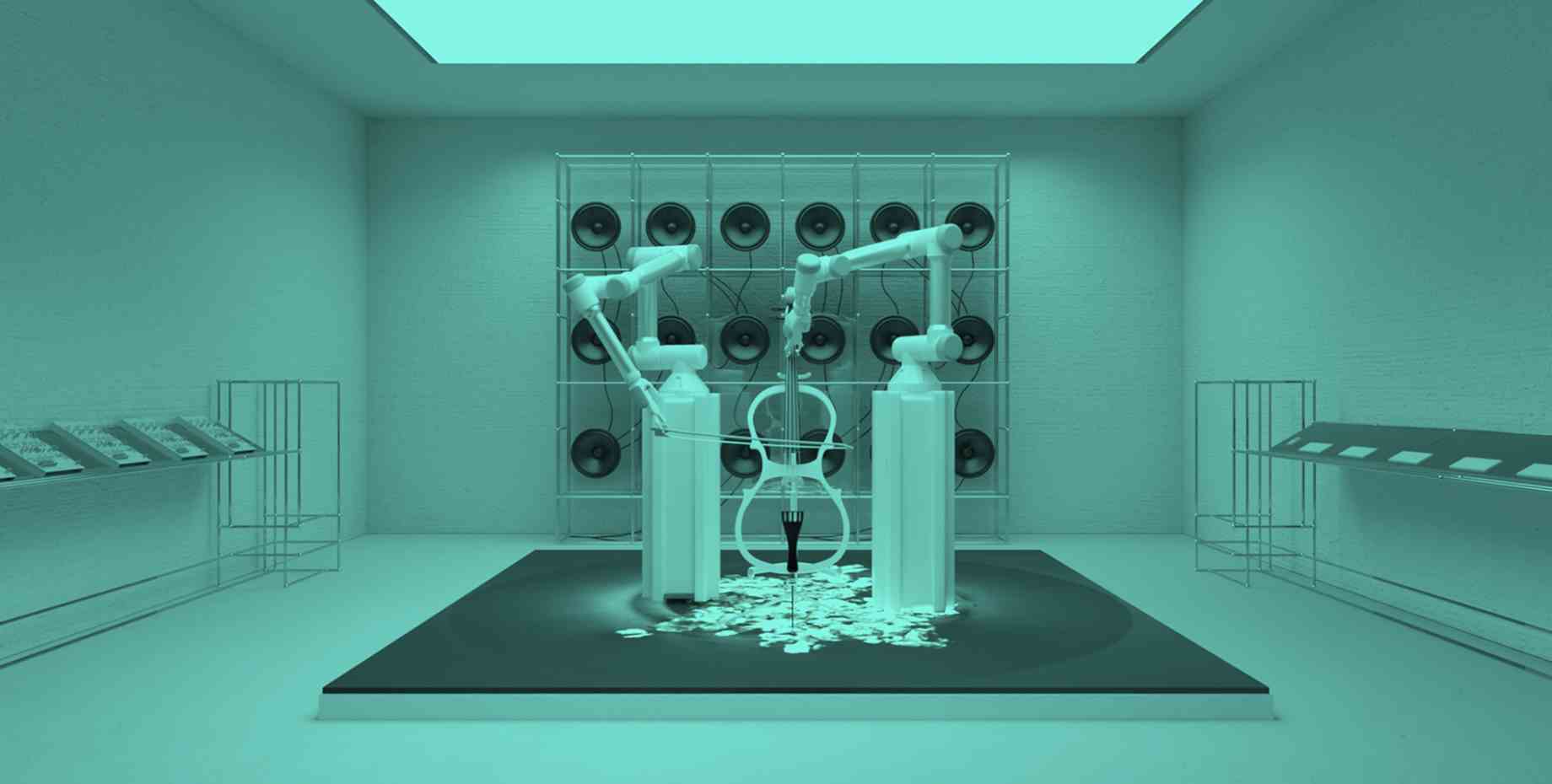
Shaping the Future of Technology in Art
Looking ahead, Mercer Labs aims to influence how museums and cultural institutions integrate technology as a core artistic medium. “Technology is the future and the current language. The question isn’t if technology belongs in art; it’s how it can be used. Museums are actively trying to understand how technology can exist meaningfully within cultural institutions — not as an add-on, but as a core medium. That shift is already happening. Many major museums in New York and beyond have come to Mercer Labs with full curatorial and technical teams to study the model firsthand. New York is the foundation. New York is where Mercer Labs began,” Nachum explains.
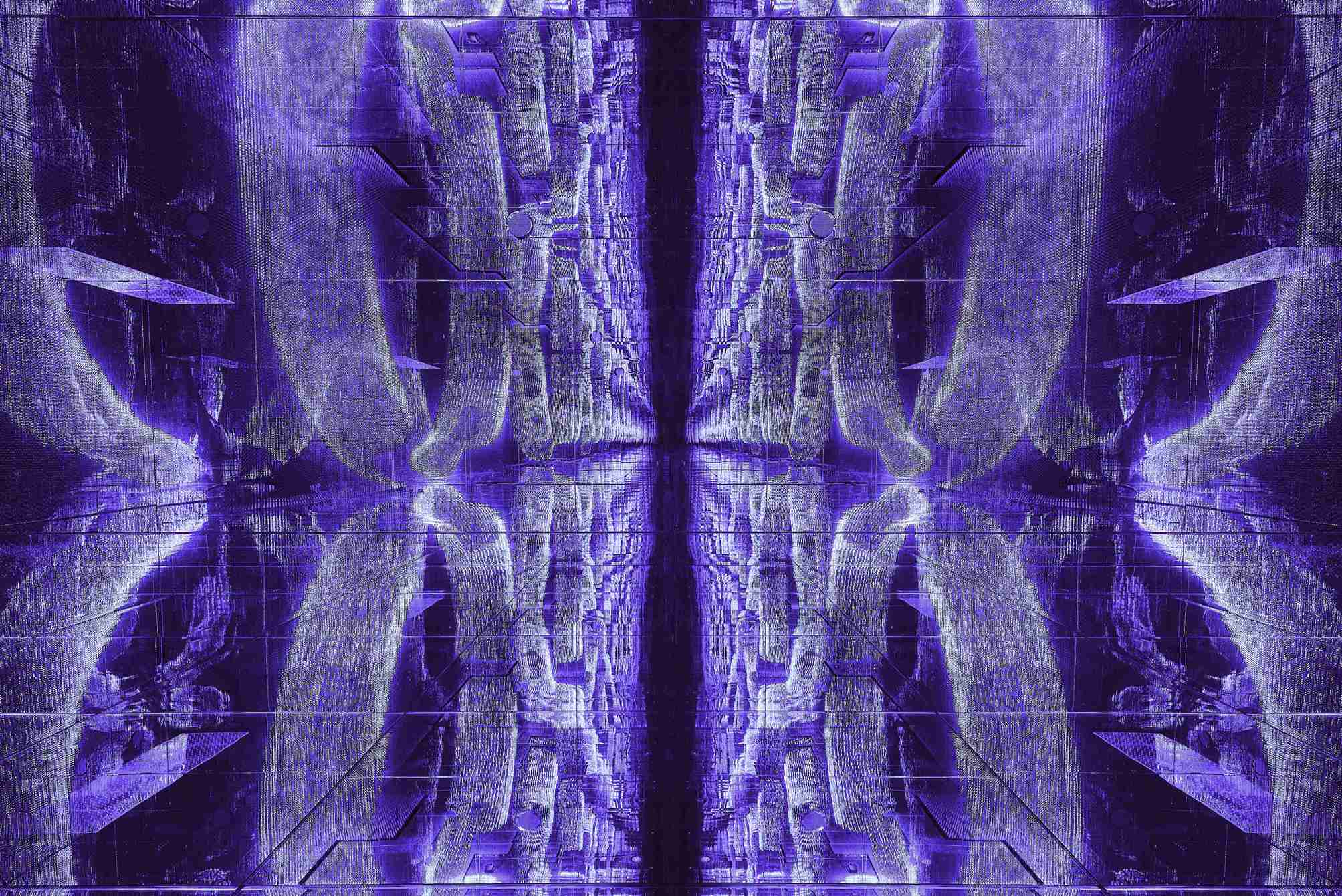
Rooted in New York’s Cultural Energy
The museum’s location in New York City plays a critical role in shaping its energy and content. “As a global center for art and culture, New York situates Mercer Labs within an active cultural conversation. The museum is shaped by that environment, but not defined by it. The focus remains on building a rigorous, artist-led institution that can speak beyond a single location,” Nachum says.
Mercer Labs is redefining the way audiences encounter art in the 21st century. By fusing technology with creative authorship and immersive environments, the museum offers a living laboratory where visitors can experience the present—and imagine the future—of artistic innovation.
Check out more NYC attractions here! Buy tickets for Mercer Labs here.