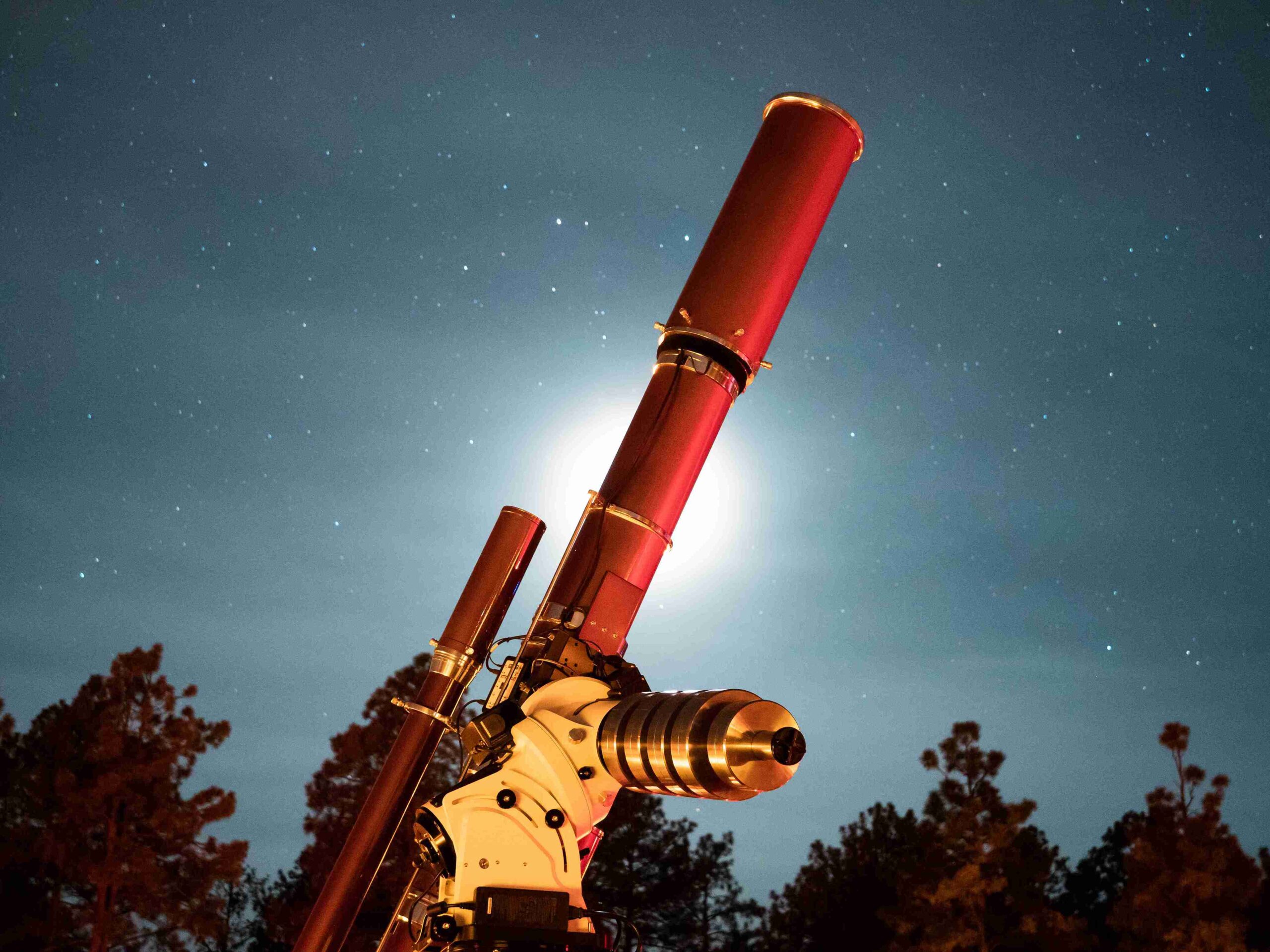
Set on a pine-covered hill overlooking downtown Flagstaff, Lowell Observatory is one of the rare destinations where history, science, and visitor experience truly intersect. While many travelers come to northern Arizona for the Grand Canyon or Route 66 nostalgia, Lowell offers something equally memorable: a chance to stand where major discoveries about our universe were made while also seeing the future of astronomy in action.
For visitors passing through Flagstaff, the observatory is more than just a museum stop. It’s an immersive science destination that combines historic telescopes, modern research facilities, and hands-on public programming in a setting defined by some of the darkest skies in the country.
A Legacy That Still Shapes Modern Science
Lowell Observatory’s story is inseparable from some of astronomy’s biggest breakthroughs, including the discovery of Pluto and the first genuine evidence that the universe as we knew it was expanding. Rather than treating those milestones as relics of the past, the institution sees them as part of an ongoing scientific continuum. Historian and Public Information Officer Kevin Schindler explains that the observatory does not separate historic discoveries from modern research but views them as a continuous tradition of cutting-edge work that stretches from its founding in 1894 to the present. He notes that this arc includes Percival Lowell’s early Mars studies, the discovery of the expanding universe, Pluto’s identification, and today’s efforts in planetary defense and exoplanet science.
This perspective makes a visit feel less like stepping into history and more like entering a living research institution still pushing boundaries.
Why Flagstaff’s Dark Skies Matter
One of the biggest reasons Lowell remains a world-class research facility is its environment. Flagstaff was named the world’s first International Dark Sky Place, a designation heavily influenced by Lowell scientists and their long advocacy for responsible lighting.
Schindler says dark skies remain essential to maintaining high-level research and notes that one ongoing challenge is helping communities understand that protecting the night sky benefits more than just astronomy. He explains that reduced light pollution supports plant and animal health, lowers energy costs, and attracts astro-tourism, while also proving that conservation can coexist with city growth.
For visitors, those preserved skies translate into unforgettable stargazing opportunities that few urban destinations can match.
Where Historic Telescopes Meet Modern Discoveries
One of Lowell’s most compelling visitor experiences is the contrast between its historic instruments and its advanced modern facilities. The Clark Telescope, once used for early planetary observations, represents the observatory’s pioneering era, while the 4.3-meter Lowell Discovery Telescope demonstrates its current scientific reach.
Schindler points to the recent observation of Comet 3I/Atlas as an example of the observatory’s modern impact. He explains that Lowell astronomers helped analyze the comet early on, at a time when it was still too low on the horizon for many major observatories to observe. Because the Lowell Discovery Telescope can point lower than most research telescopes, scientists were able to capture early data that helped counter speculation that the object had artificial origins.
Moments like this illustrate how Lowell continues to make meaningful contributions to current astronomical research.
A Visitor Experience Built Around Wonder
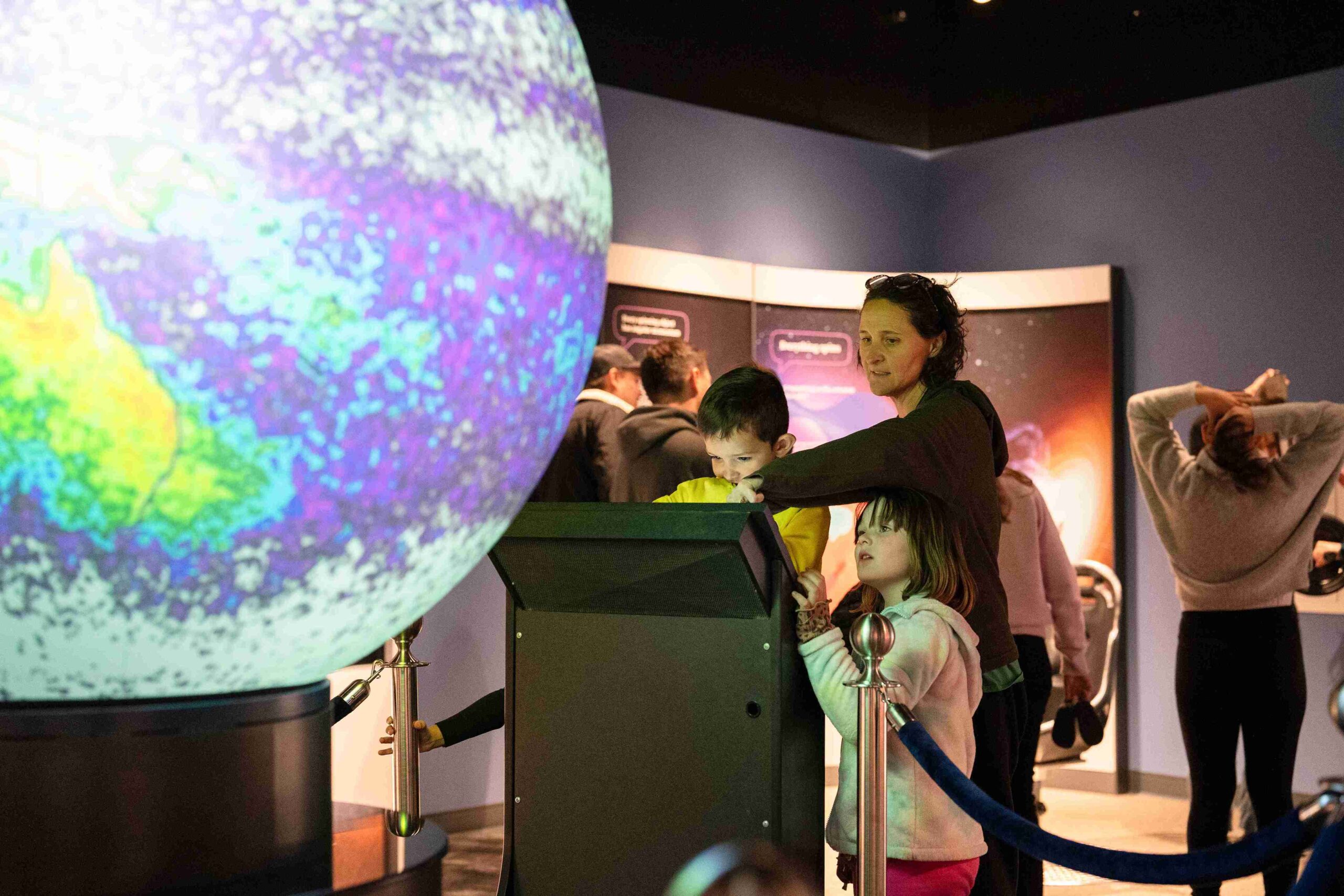
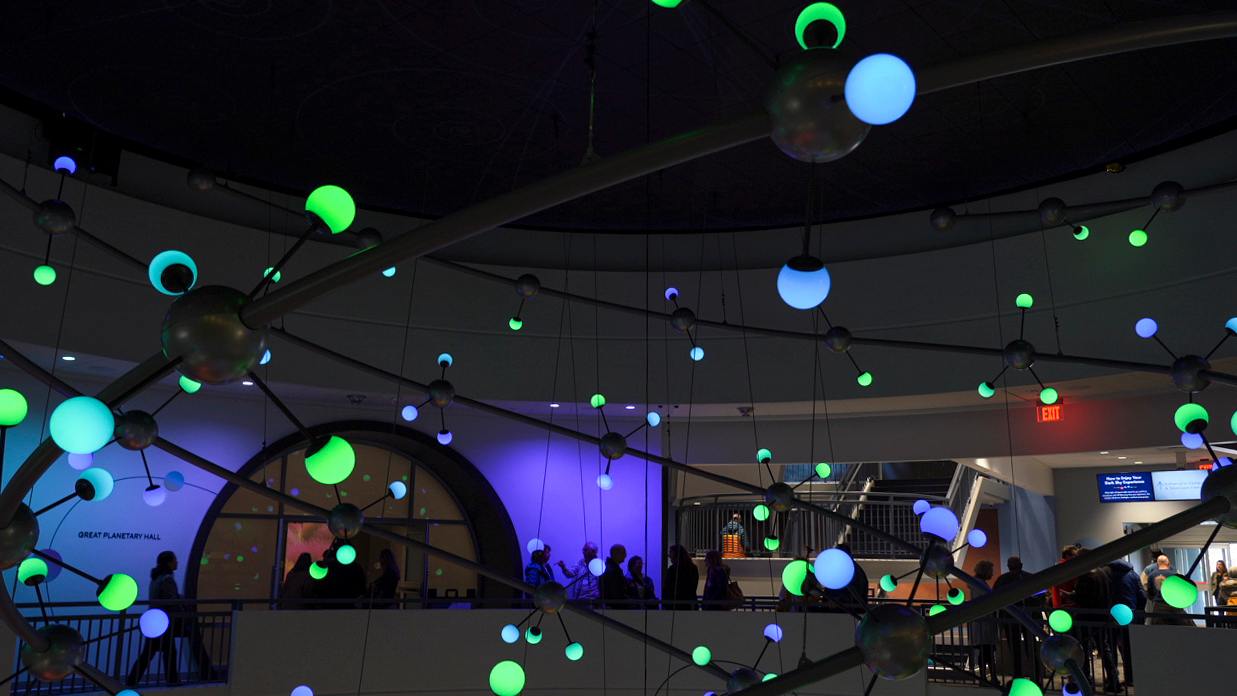
Lowell’s public mission has expanded dramatically in recent years, especially with the addition of the Astronomy Discovery Center and its open-air planetarium. These facilities transform complex science into interactive experiences designed for visitors of all ages.
Schindler explains that the observatory measures the success of its outreach in several ways, including visitor feedback, attendance numbers, and membership growth among supporters. He notes that recognition also plays a role, pointing out that Time listed Lowell among the world’s most important places and that Newsweek readers named it the best science museum in the United States. More importantly, he emphasizes that education and research are inseparable at Lowell, saying that sharing the wonder of the universe encourages public curiosity and support for scientific work.
For travelers, that philosophy results in a visit that feels inspiring rather than purely informational.
Looking Toward the Future of Astronomy
While Lowell’s past is impressive, its current research priorities may have even broader implications. Schindler says the observatory has focused its future efforts on planetary defense and exoplanet research partly because of its historic strengths in those areas and partly because it already has the tools needed to lead meaningful studies. He adds that both fields are of enormous importance to humanity, from protecting Earth to exploring whether life exists elsewhere in the universe.
That forward-looking focus helps visitors understand that Lowell isn’t just preserving history. It is actively helping answer some of science’s biggest questions.
A Founder’s Vision That Still Resonates
Percival Lowell founded the observatory in 1894, driven by a bold idea: the search for life on Mars. While many of his specific conclusions were later disproven, his mindset remains influential. Schindler explains that although Lowell’s ideas were speculative, he backed them with observation and inspired later scientists to test his claims. He adds that imagination remains vital to scientific progress, just as it was in Lowell’s time.
That blend of curiosity and evidence continues to shape the institution’s identity today.
Why Visitors Should Make the Stop
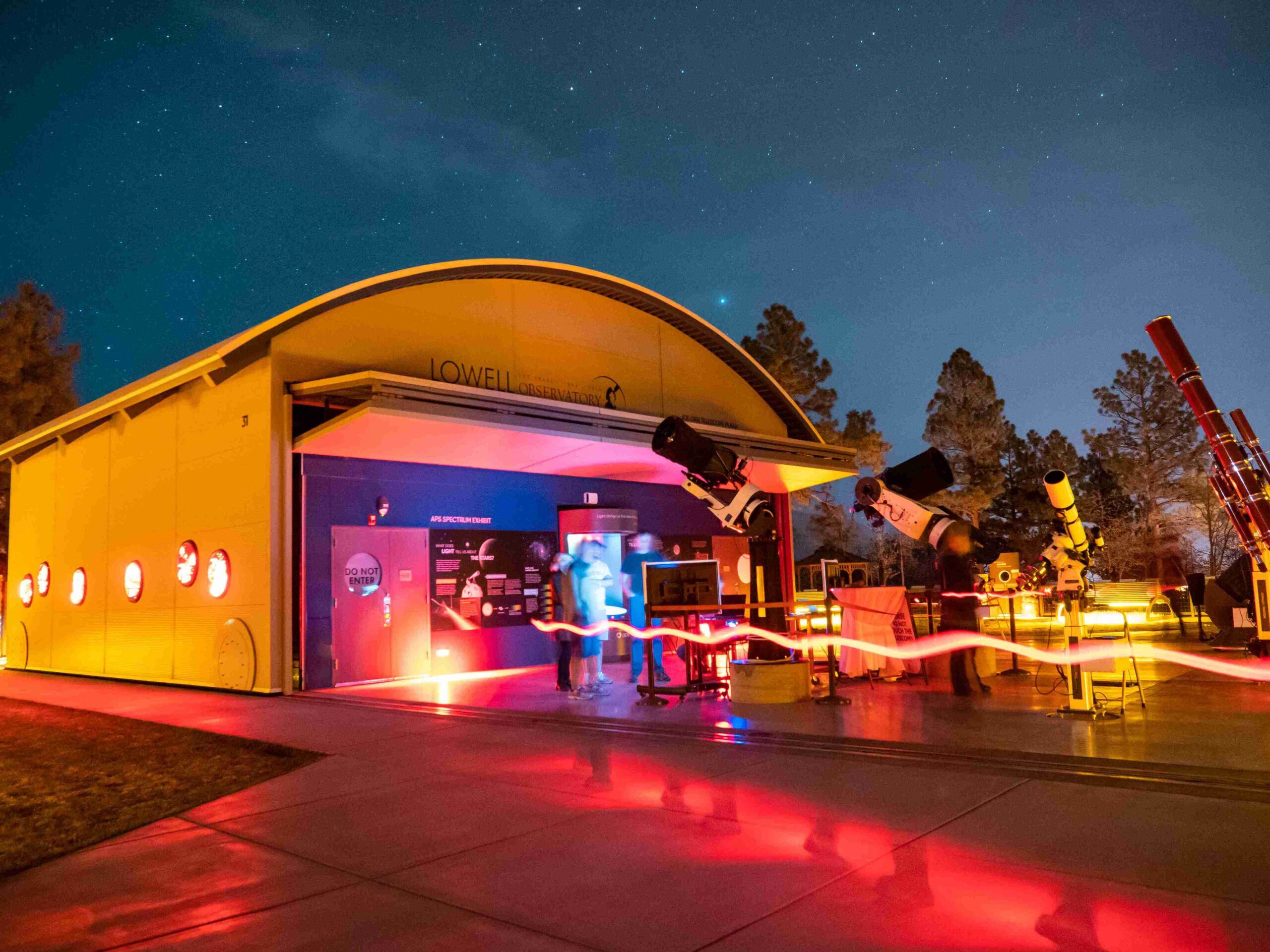
For travelers exploring Flagstaff, Lowell Observatory offers something few destinations can match: a place where you can look through a historic telescope, attend a modern science presentation, and step outside into a sky still bright with stars.
Schindler says the most important takeaway he hopes visitors leave with is simple: to look up and wonder, and to understand that astronomy belongs to everyone, regardless of age or background.
That sense of shared curiosity may be the real reason Lowell Observatory is worth the stop. It’s not just about what has been discovered there, but about what visitors might start wondering once they leave.