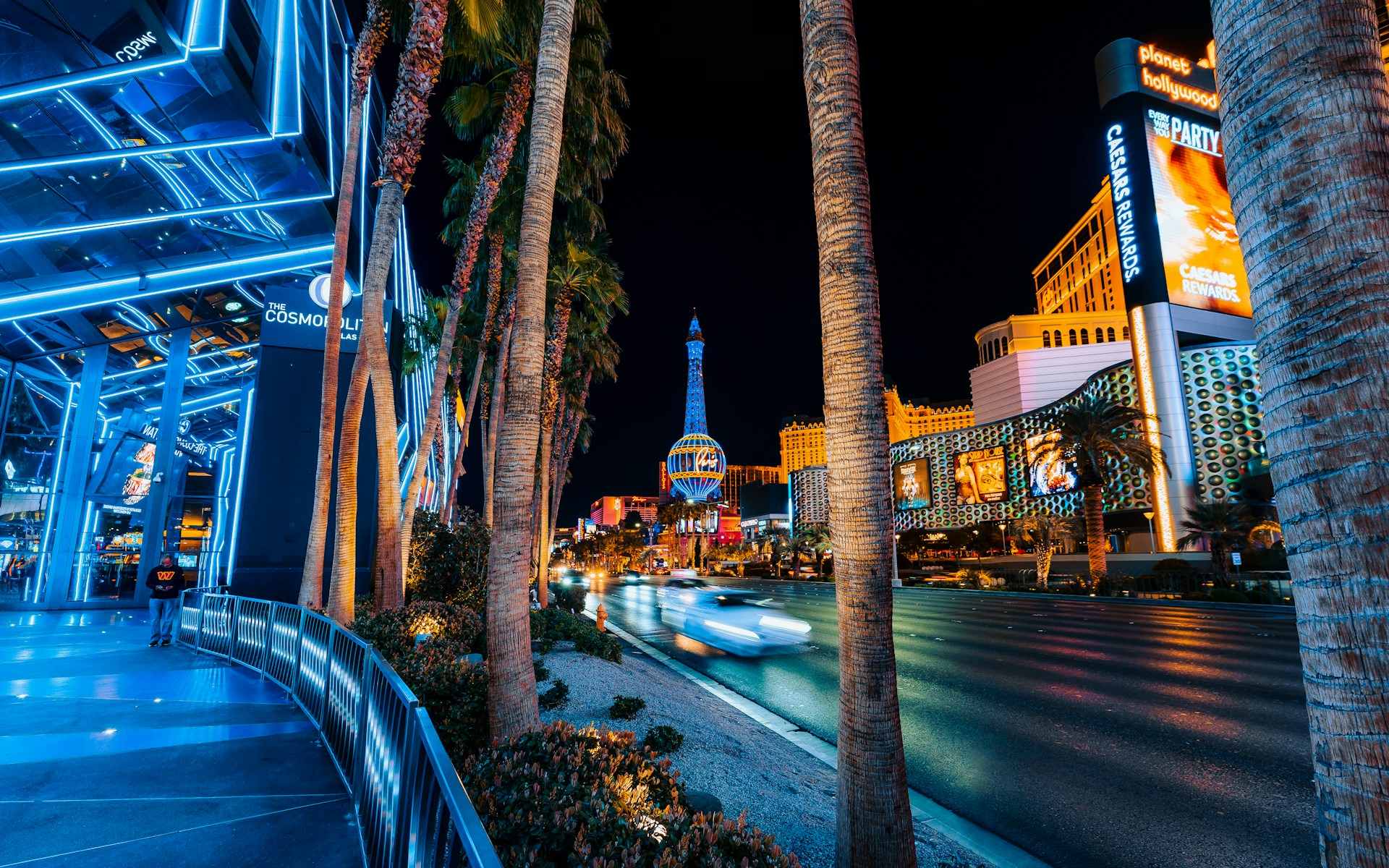
Las Vegas has long sold itself as a place of freedom, spectacle, and second chances. But a lesser-known legal mechanism is quietly reshaping what happens when things go wrong. Under Nevada’s “Order Out” provision, judges can ban individuals from the Las Vegas Strip and surrounding Resort Corridor for up to a year, even for misdemeanor offenses. From the defense side, this has created a system that feels less like crowd control and more like modern exile.
According to Todd Terry of Christiansen Trial Lawyers, the consequences extend far beyond a simple removal from a casino floor. Here’s what to know about what happens if you get banished from the Las Vegas Strip.
Understanding the Resort Corridor and Its Invisible Boundaries
The first challenge is geography. While the law defines the Resort Corridor precisely on paper, it offers little clarity in real life.
“The biggest issue is that these boundaries are legally rigid but visually non-existent. For a tourist, it’s a trap; for a local, it’s a life-altering barrier. The Corridor is a 15-mile area that stretches from Sahara to Russell, including I-15 (the Palms and Rio properties) and Maryland Parkway. That isn’t just a tourist zone… It’s the economic and transit heart of Las Vegas.”
Unlike pedestrian zones or restricted areas in other cities, there are no visual cues to signal where the ban begins or ends.
“There are no signs telling you that crossing a specific street makes you a criminal. If a local is banned from this area, they may be legally cut off from their place of work, their doctor, or the RTC transit hubs they rely on. For a visitor, they might find themselves in a second offense situation simply by stepping foot in the Corridor.”
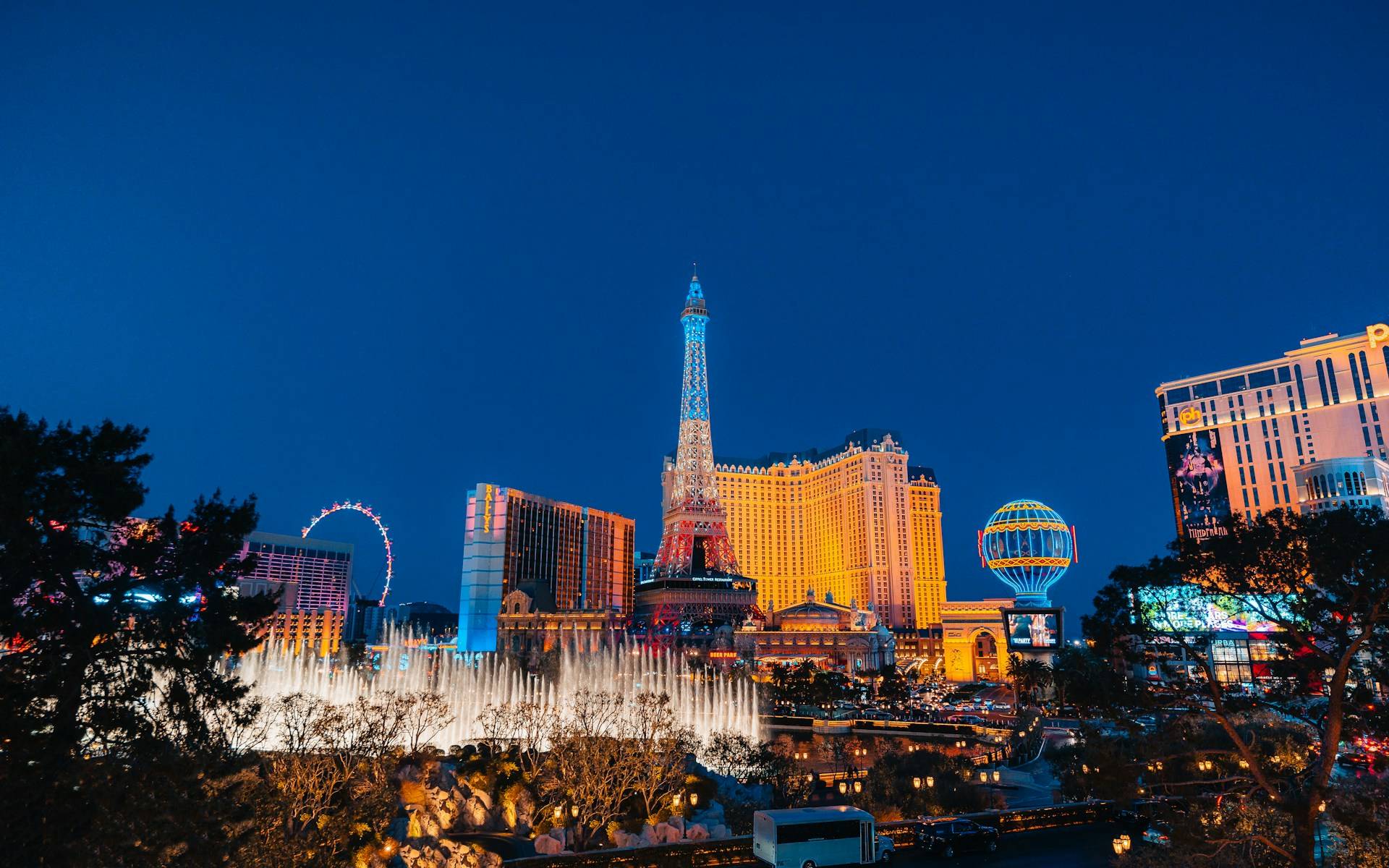
How Easily a Vacation Can Disappear When You’re Banished
Supporters of the law argue it targets repeat offenders, but the statute allows bans for first-time misdemeanors. That creates risk for ordinary visitors who never imagined legal consequences beyond a citation.
“Most tourists think they’re safe because they aren’t criminals. But under this Act, just a minor verbal spat at a blackjack table or one too many drinks at a pool party can trigger a ban. The risk isn’t just a fine, it’s instant vacation liquidation.”
For travelers who have prepaid for hotels, shows, and dining, the financial impact can be severe.
“The risk is that we are using a sledgehammer where a scalpel is needed. For a tourist, a minor alcohol-induced mistake can lead to instant banishment, meaning thousands of dollars in non-refundable rooms and shows are gone instantly.”
Terry also notes that the consequences fall hardest on the city’s most vulnerable residents.
“For low-income individuals or the unhoused, the stakes are even higher. This law effectively allows the city to relocate social problems by making poverty a crime of location. If you’re a local struggling on the margins and you’re banned from the Corridor, you aren’t just being told to move along, you are being legally exiled from the very area where social services and entry-level jobs are concentrated.”
Safety Versus Hospitality in a Tourism-Driven City
As Las Vegas navigates softer tourism from key markets, perception matters. There is a delicate balance between maintaining order and preserving the city’s reputation as a welcoming and forgiving place.
“Safety is the goal, the debate is how much freedom we trade for it. Vegas has always been the city of ‘What Happens Here, Stays Here.’ This law changes that to: ‘What Happens Here Can Get You Banished.’”
International visitors, in particular, may see the Strip differently if legal consequences feel unpredictable.
“If international travelers from Canada or Europe perceive the Strip as an unforgiving legal minefield, they’ll take their Euros and Loonies elsewhere.”
At the same time, local sentiment is equally important.
“At the same time, if locals feel they are being ‘policed out’ of their own city’s main hub, we lose the community soul that makes Vegas work. You can’t build a world-class destination on a foundation of ‘stay-away’ orders. This law may have been well-intentioned, but it is fundamentally overbroad. Over-criminalization does not equal deterrence.”
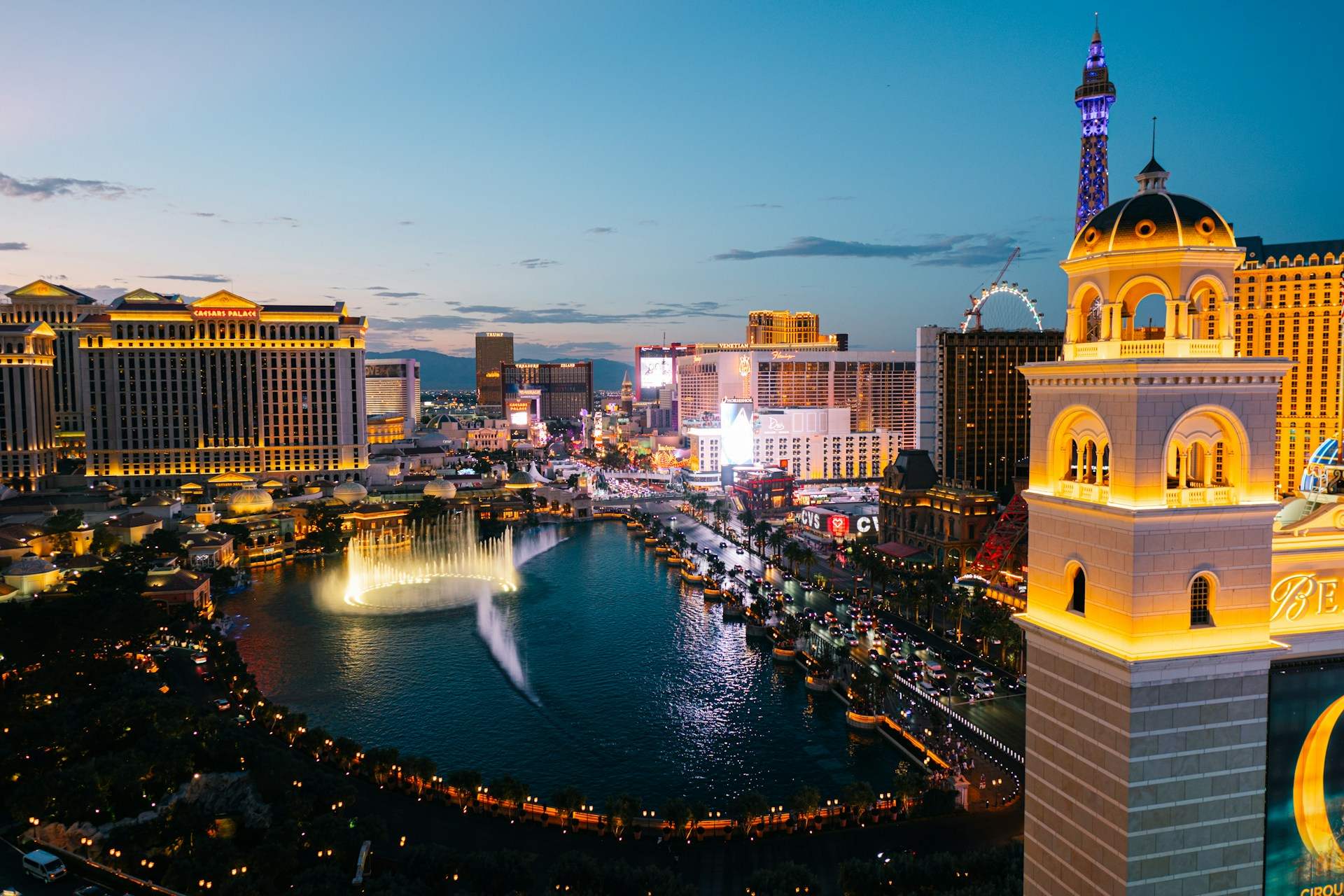
Enforcement on the Ground: A Legal Minefield
Once an order is issued, compliance can become nearly impossible, especially for visitors already staying within the Corridor.
“It is a legal minefield. If you are staying at the Caesars Palace and you get an Order Out for the Strip, you are technically in violation the second you enter the 15-mile Corridor area. There is no ‘grace period’ to pack your bags.”
For Terry and his firm, the advice is immediate and urgent.
“We tell clients: Do not guess. If an order is issued, your vacation is no longer about fun; it’s about tactical navigation. We move immediately to modify these orders because, as they’re currently written, they don’t account for the fact that people actually live and stay inside these restricted zones.”
Due Process Concerns Inside the Resort Corridor Court
The revival of the Resort Corridor Court has reignited long-standing concerns about the trade-off between speed and fairness in high-volume legal systems.
“Any court designed to process a high volume of cases quickly needs to be especially careful about due process. When restrictions are imposed early in a case and based largely on location, there’s a risk that people are effectively punished before their guilt is decided.”
Clarity is another issue.
“A concern raised during earlier versions of this court was whether people fully understood the scope of the orders being imposed on them and how easy it was to violate those orders accidentally. When freedom of movement is restricted in a city built around public access, fairness and clarity become critical. Efficiency can’t come at the expense of constitutional protections.”
Long-Term Implications for Las Vegas
If the Strip becomes less accessible, the ripple effects could extend well beyond the courtroom.
“Las Vegas still runs on tourism, so a small shift in perception can have a meaningful economic impact. If travelers start to view the Strip as legally unforgiving rather than fun and accessible, some will shorten trips, avoid certain areas, or choose different destinations altogether.”
From a legal standpoint, Terry anticipates continued friction.
“From a legal standpoint, broader use of geographic bans also means more challenges, more litigation and pressure on the courts. The Strip works because it’s open and accessible. If that changes, the ripple effects will be felt well beyond the courtroom.”
Read more travel advice here!