
Hand-Carved Precision and Heritage Pride: How Smith & Wollensky Crafts America’s Premier Steakhouse Experience
For nearly five decades, Smith & Wollensky has stood as a benchmark of traditional American dining, renowned for its prime hand-cut steaks, expansive wine collections, and old-school hospitality. Yet, as culinary habits shift and the brand expands across major American metropolitan hubs and international capitals, maintaining that signature identity requires deliberate focus.
According to Chef Brian Doyle, Vice President of Culinary, the secret to the brand’s enduring success rests on an unwavering commitment to foundational craftsmanship paired with thoughtful regional nuance.
“At the end of the day, there are a few things that have defined Smith & Wollensky from the very beginning, and we are very careful not to lose sight of them,” explains Doyle. “That starts with exceptional beef, dry-aged and hand-carved in-house, classic steakhouse dishes, and genuine, unfussy hospitality.”
Doyle stresses that while menu development evolves, the brand’s bedrock principles remain unchanged across geographies.
“If someone knows Smith & Wollensky from New York, we want them to recognize the experience immediately in Las Vegas, London, Seoul, or anywhere else,” Doyle notes. “At the same time, we want each restaurant to feel connected to the city it is in rather than feeling like a carbon copy.”
The Art of the In-House Dry-Aging Program
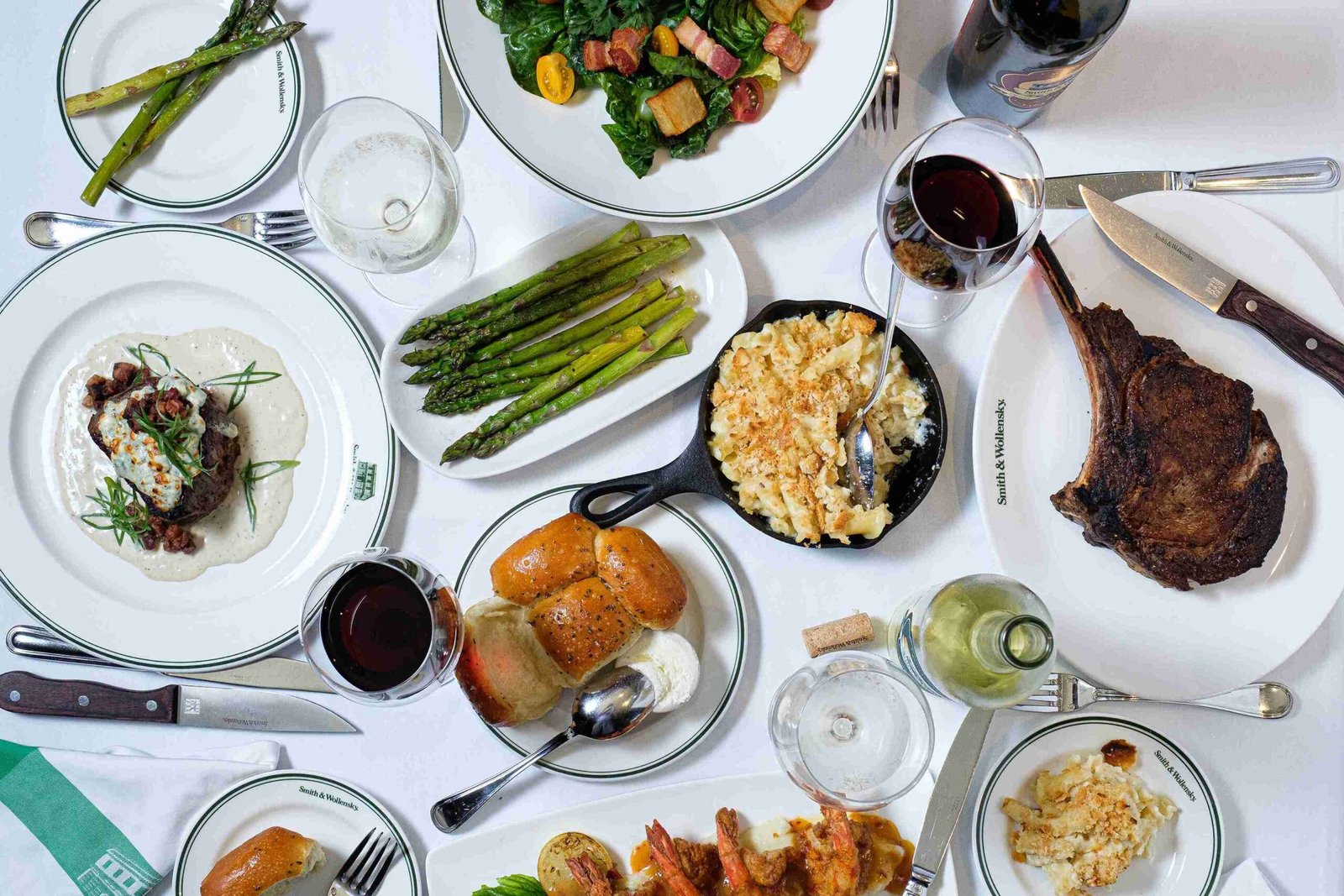
Central to the Smith & Wollensky experience is a meticulous butchery and aging protocol that sets the brand apart from typical high-end dining establishments. Sourcing premium, grain-fed, humanely raised USDA Prime and American Wagyu beef from esteemed ranching partners—including Double R Ranch, Snake River Farms, and Creekstone—the culinary leadership subjects each subprimal cut to a minimum of 28 days of controlled in-house dry-aging.
“The dry-aging program is really at the heart of what we do,” Doyle says. “We source premium USDA Prime, grain-fed, humanely raised beef from trusted ranching partners, including Double R Ranch and Snake River Farms, and then we dry-age that beef in-house for a minimum of 28 days in carefully controlled aging rooms.”
This internal oversight ensures absolute command over tenderness, moisture loss, and flavor concentration. Rather than procuring pre-trimmed cuts, on-site Master Butchers execute every step of the process.
Among the standout creations born from this program is the dramatic Swinging Tomahawk—a 44-ounce bone-in American Wagyu ribeye from Snake River Farms. Seared on the broiler to the guest’s exact preference, the massive cut is finished tableside with house-made beef tallow ignited by a flaming torch before being carved for family-style sharing. Other flagship offerings include the chilled Shellfish Bouquet and the iconic Gigantic Chocolate Cake, a towering ten-layer confection drizzled with Baileys Irish Cream.
Balancing Universal Classics with Regional Distinction
While core fixtures such as creamed spinach, truffle macaroni and cheese, and prime dry-aged steaks anchor every dining room across the globe, local Executive Chefs have room to showcase regional seafood catches and indigenous ingredients.
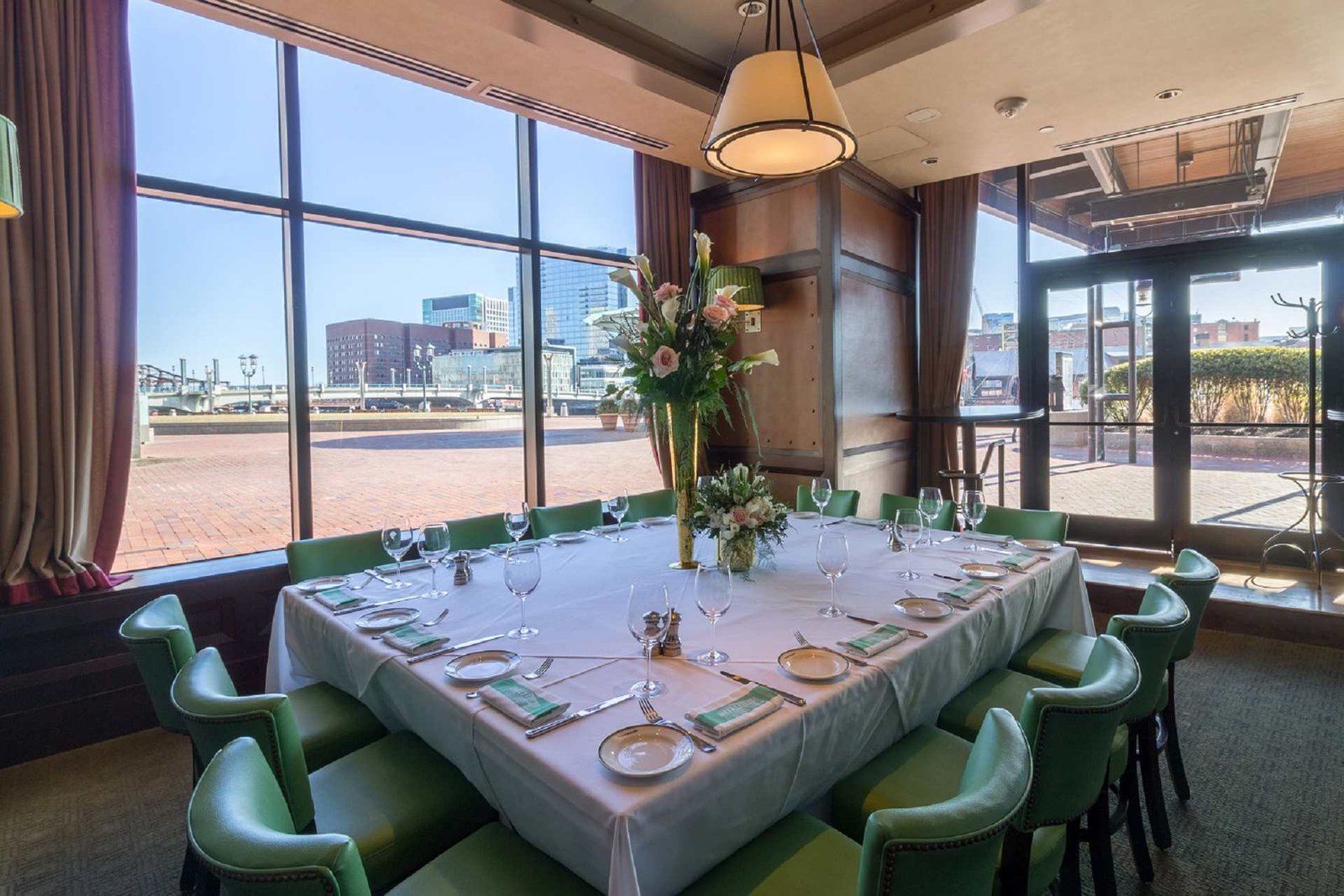
For instance, guests visiting the Miami Beach outpost might discover Whole Yellowtail Snapper, while the Boston harborside venue highlights Maine Lobster Thermidor. Across the Atlantic in London, the menu incorporates a traditional British Côte de Boeuf.
“We never want the local additions to compete with the identity of the steakhouse,” Doyle clarifies. “They are there to complement it. That allows each restaurant to have a sense of place while still giving guests the classics they know and expect from Smith & Wollensky.”
This flexibility extends directly to honoring local dining customs. In Manila, where rice takes precedence over traditional American potato sides, the kitchen offers three distinct rice preparations, highlighted by a rich Bone Marrow Dirty Rice. Similarly, in markets like Kuala Lumpur, where strict Halal standards apply, the kitchen pivots to top-grade Australian Wagyu while maintaining the same exacting standards of preparation and searing.
“Rice is much more important to that market than traditional American steakhouse potato dishes, so the restaurant offers three different rice preparations, and those sell extremely well,” Doyle notes.
Distinctive Architecture and Destination Venues
Unlike corporate concepts that duplicate a single interior design, Smith & Wollensky treats each property as an architectural homage to its surroundings.
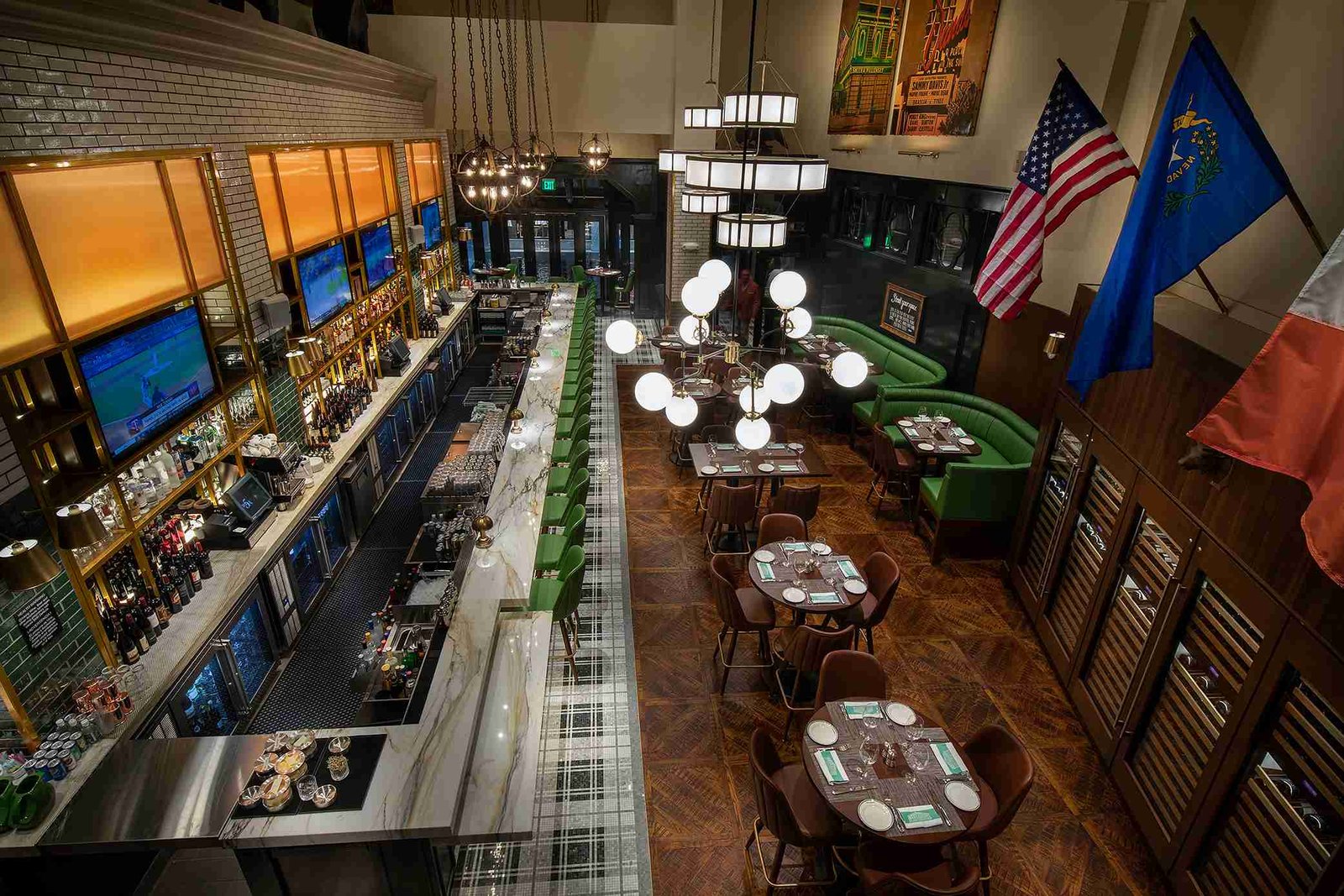
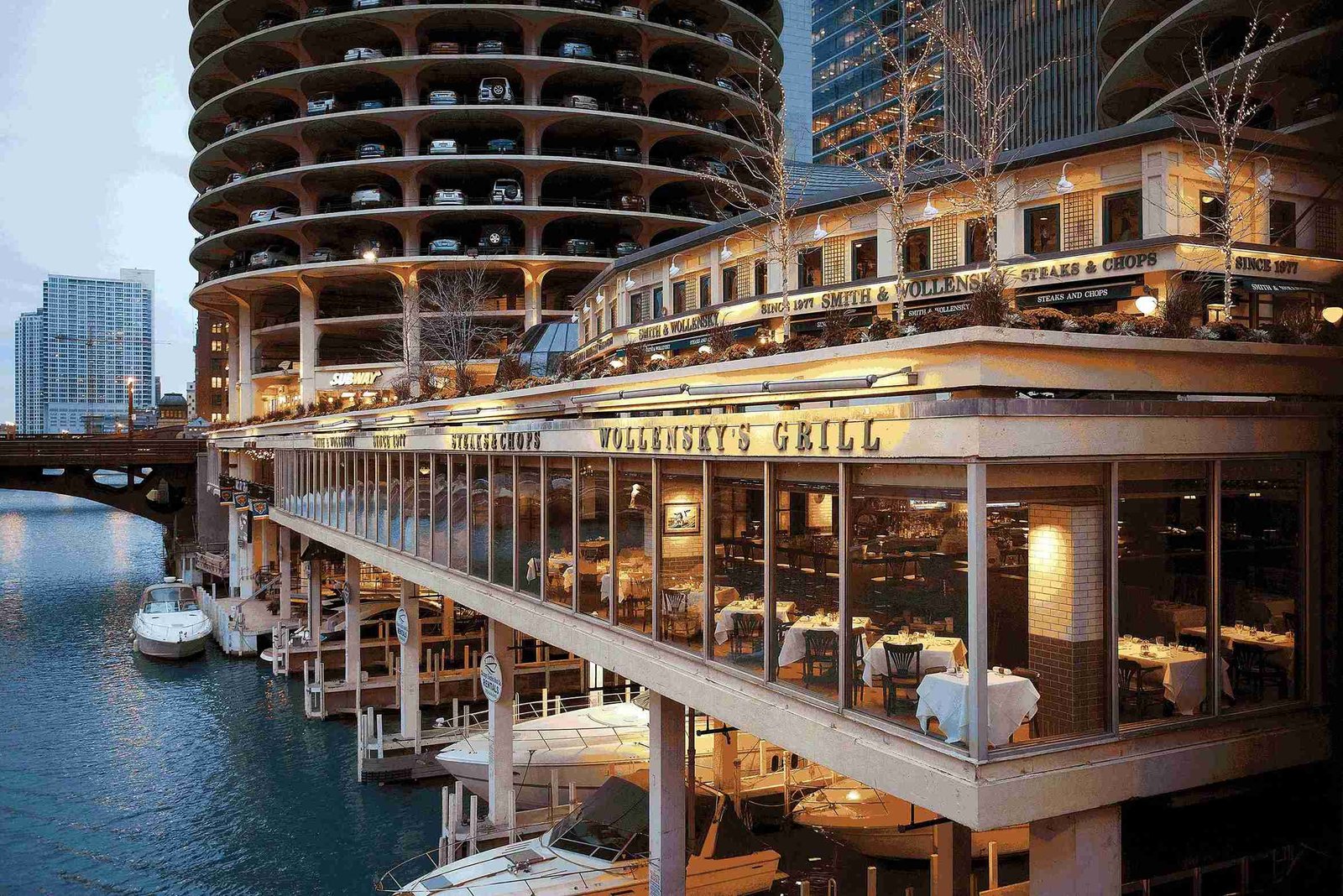
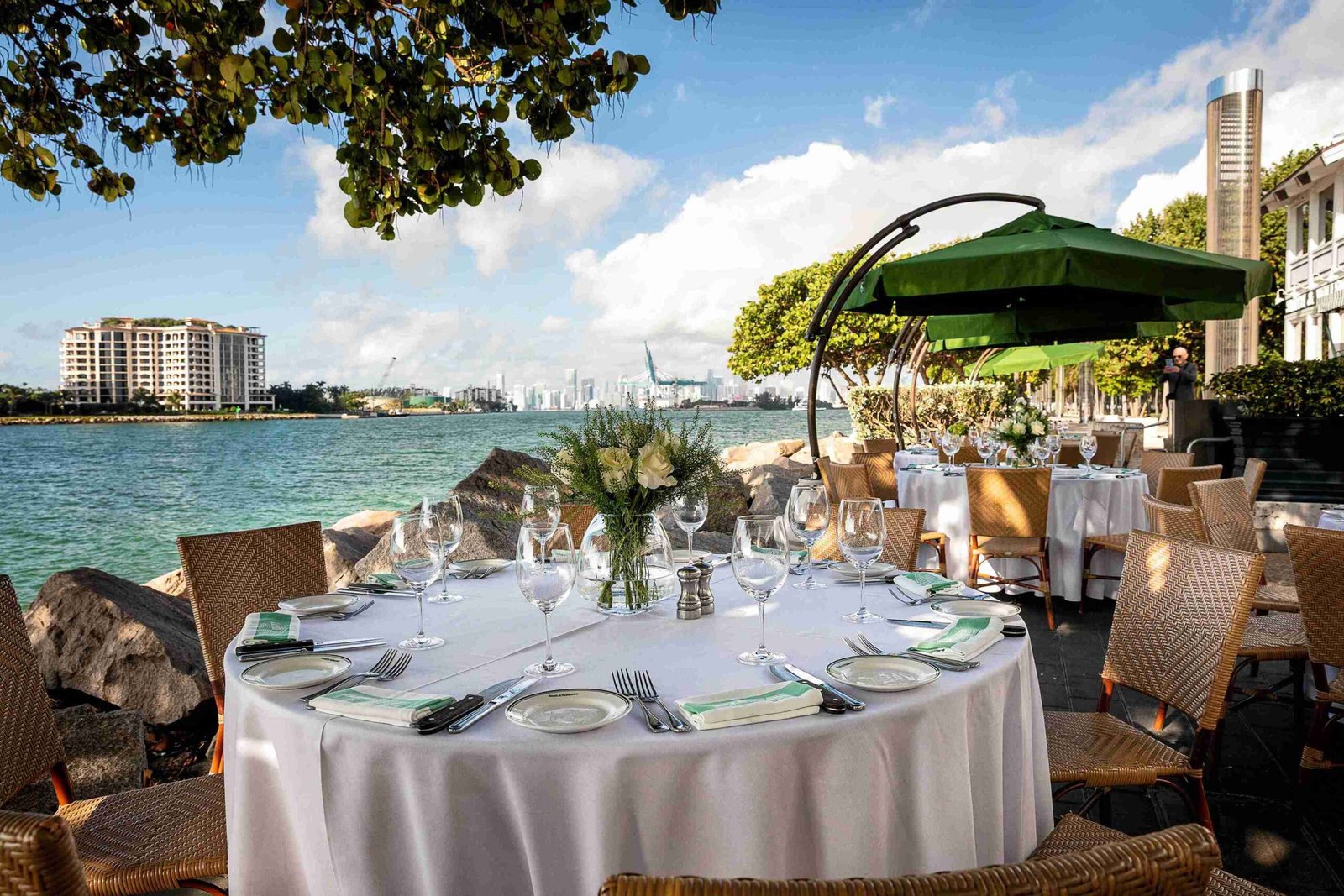
The original New York flagship retains its historic green-and-white exterior, inheriting the structure from Manny Wolf’s Chop House, which occupied the Manhattan site from 1897 until Smith & Wollensky’s 1977 debut. Domestically, the Chicago location anchors the waterfront along Marina City, Miami Beach overlooks South Pointe Park, Boston commands the Seaport waterfront, and Las Vegas looks out over the Venetian’s grand canal. Internationally, locations range from 47 stories above Taipei to a rooftop in Seoul’s Hannam-dong district and the base of the Petronas Twin Towers in Kuala Lumpur. In Las Vegas, you’ll find the city’s location nestled in the Grand Canal Shoppes at The Venetian Resort.
“One of the things I think is interesting about Smith & Wollensky is that we have never tried to force every restaurant into one design template,” highlights Doyle.
Time-Honored Recipes and Operational Instinct
Despite the grandeur of 44-ounce ribeyes and sprawling wine lists, some of the most cherished menu items are rooted in comforting simplicity. A prime example is the signature Split Pea Soup, an active recipe that has remained virtually unchanged since its introduction in the 1980s. Slowly simmered until thick, smoky, and deeply savory, the dish remains a beloved staple.
“What I love about it is that we have never felt the need to reinvent it,” Doyle shares. “It is still made in essentially the same way, with the peas slowly simmered until the soup becomes rich, thick, smoky, and deeply savory. Sometimes the best thing you can do with a great recipe is leave it alone and make it consistently well.”
Executing this level of consistency across continents ultimately relies on human expertise. From broiler chefs mastering high-heat crusts to veteran servers managing meal pacing, staff longevity remains one of the brand’s greatest assets. With many team members boasting tenures exceeding two or three decades, brand culture is passed down through lived practice rather than manual rulebooks alone.
“You can teach standards in a training program, but there is also a level of instinct and hospitality that comes from people who have lived the brand for a long time,” Doyle emphasizes.