
Navigating the Nation’s Capital
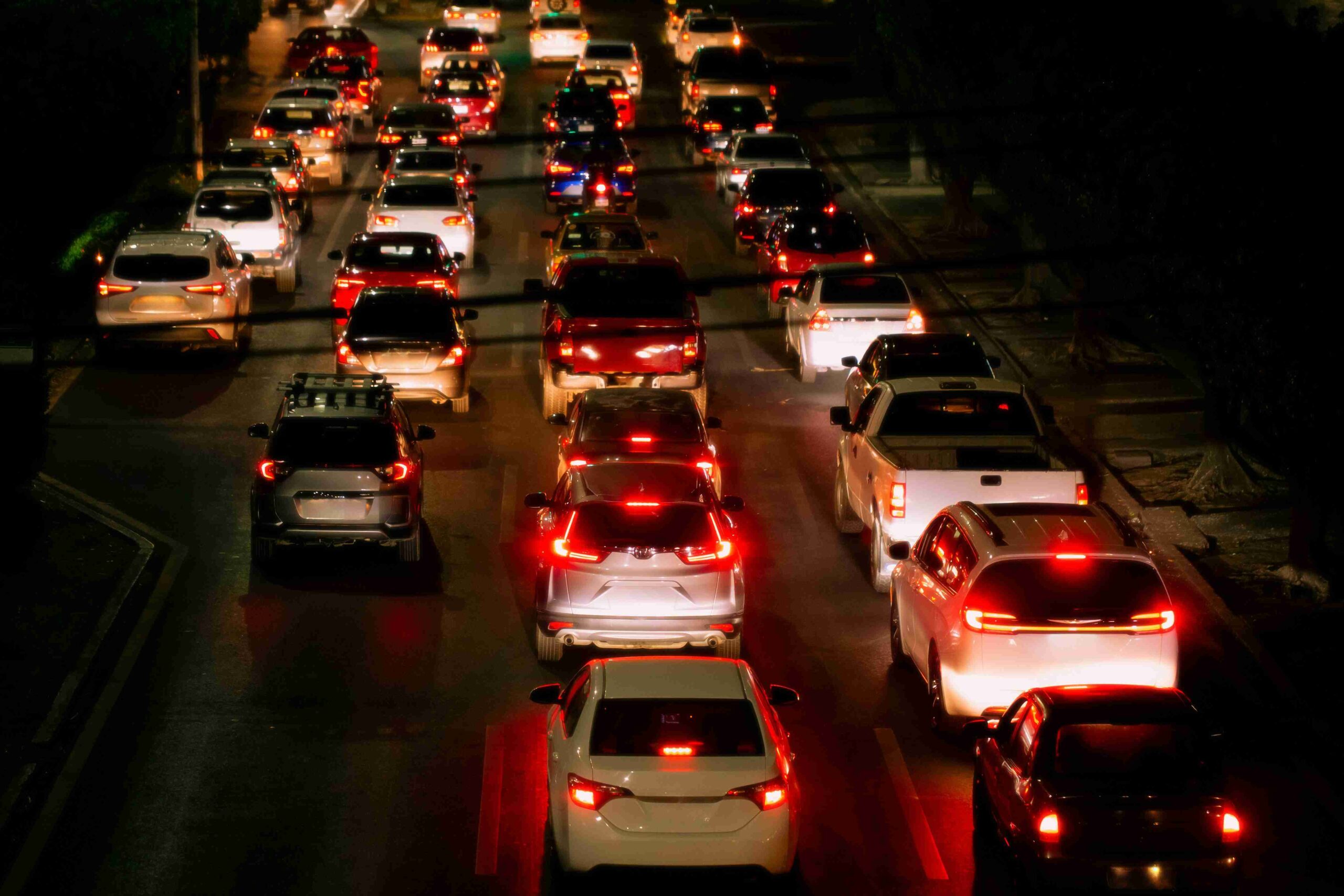
Washington, D.C., is one of the most transit-friendly cities in the U.S., making it easy for visitors to access all the major museums, monuments, and neighborhoods without relying on a car. Understanding the basics of the Metro system and alternative transportation options is key to a smooth visit.
WMATA Metro System: Rail and Bus
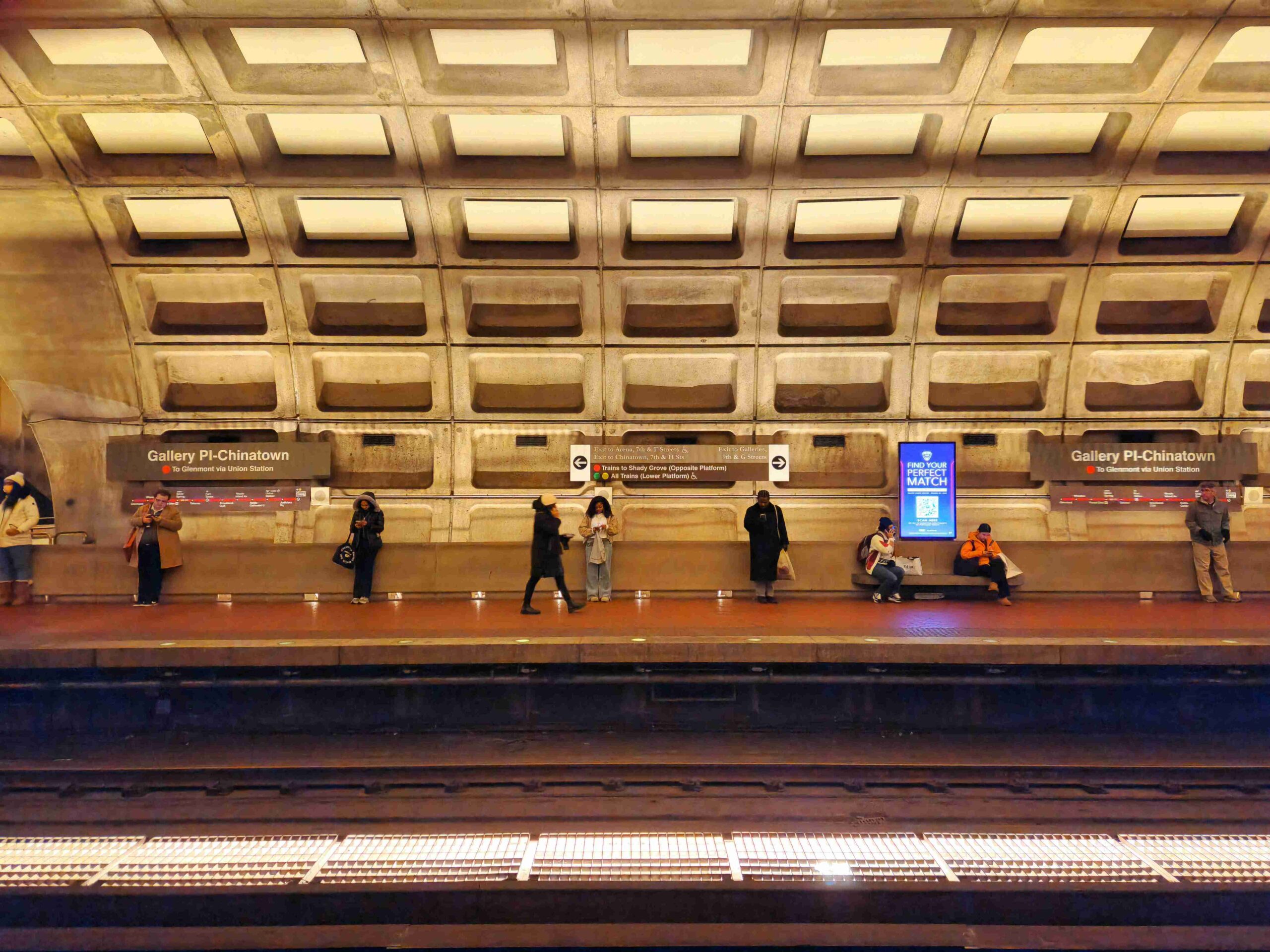
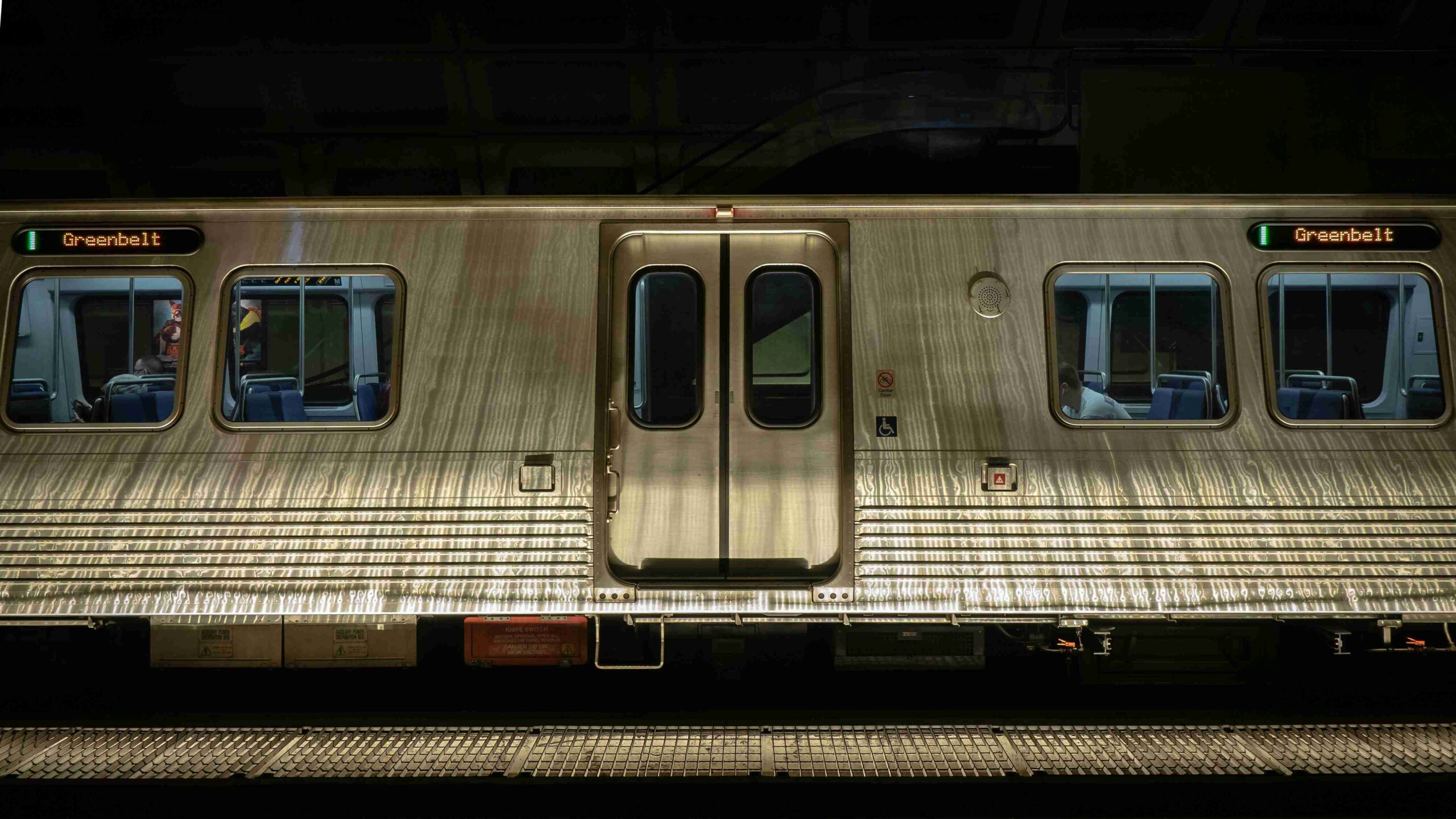
The Washington Metropolitan Area Transit Authority (WMATA) operates the D.C. Metro system, which includes both rail lines and an extensive bus network. This is the fastest and most efficient way to travel between the major tourist zones.
- SmartTrip Card: To use the Metro rail or bus, you must purchase a reloadable SmarTrip card. Fares vary by time of day (peak vs. off-peak) and distance traveled. Since cash is not accepted at rail faregates, a SmarTrip card is essential for rail travel.
- Metro Rail: The system features six color-coded lines that connect major destinations like the National Mall, Union Station, Capitol Hill, and Reagan National Airport (DCA). The rail system is generally clean, reliable, and covers key tourist and business districts.
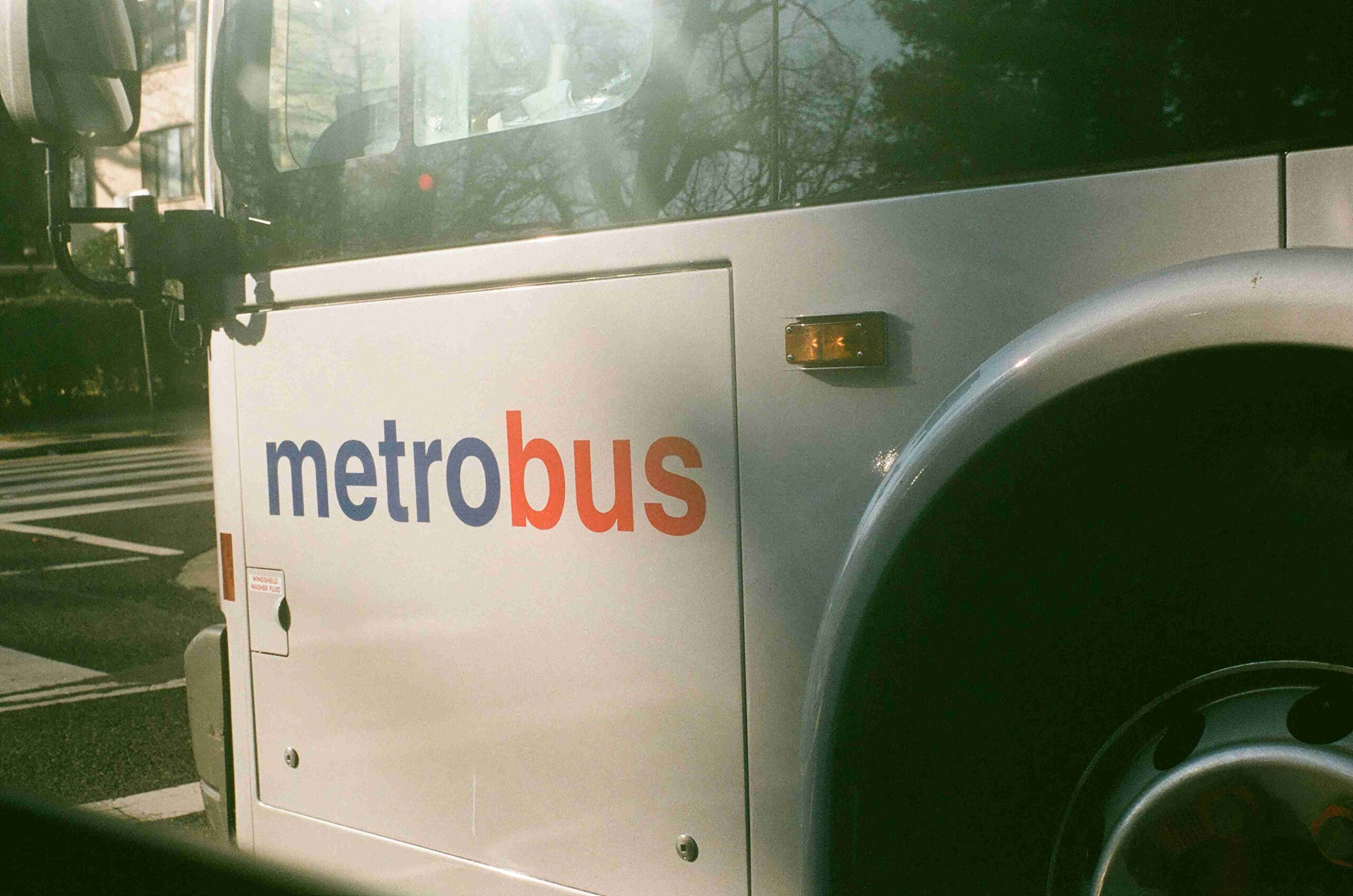
- Metro Bus: The bus network complements the rail lines, providing dense coverage within neighborhoods. Buses are useful for shorter distances or for traveling to areas not directly served by a Metro station.
Alternative Transit Options
D.C.’s infrastructure strongly supports several alternatives to traditional transit and driving, including ride-sharing, cycling, and walking.
Cycling and Scooters
Capital Bikeshare is D.C.’s bike-sharing program, offering convenient access to bicycles parked at numerous stations across the District and surrounding areas. This is an excellent way to cover ground between monuments on the National Mall. Additionally, dockless scooter companies operate throughout the city, providing a quick option for short-distance travel. Be aware of local regulations regarding where you can ride and park.
Walking and Taxis
Many of the most popular attractions in the central area, especially around the National Mall and Federal Triangle, are highly walkable. Planning your itinerary in clusters allows you to maximize walking time and minimize travel costs. Taxis and ride-sharing services are abundant, providing easy door-to-door service, particularly late at night when Metro service slows or ends.
Commuter Rail Access
For those traveling from the outer suburbs of Maryland or Virginia, commuter rail lines (Maryland Area Rail Commuter also known as MARC and Virginia Rail Express also known as VRE) terminate at Union Station. This central transit hub offers immediate connections to the Metro rail and bus system.