
National Air & Space Museum: Soaring Through History, Science, and Exploration
Located on the National Mall in Washington, DC, the National Air & Space Museum stands as one of the most visited museums in the world and a central hub for exploring humanity’s journey through flight and space exploration. Part of the Smithsonian Institution, the museum houses an extraordinary collection of historic aircraft, spacecraft, scientific artifacts, and interactive exhibits that have inspired generations of visitors. Whether you are a history buff, an aviation enthusiast, or a curious traveler, the National Air & Space Museum offers experiences that educate, entertain, and ignite imagination.
A Legacy of Flight and Exploration
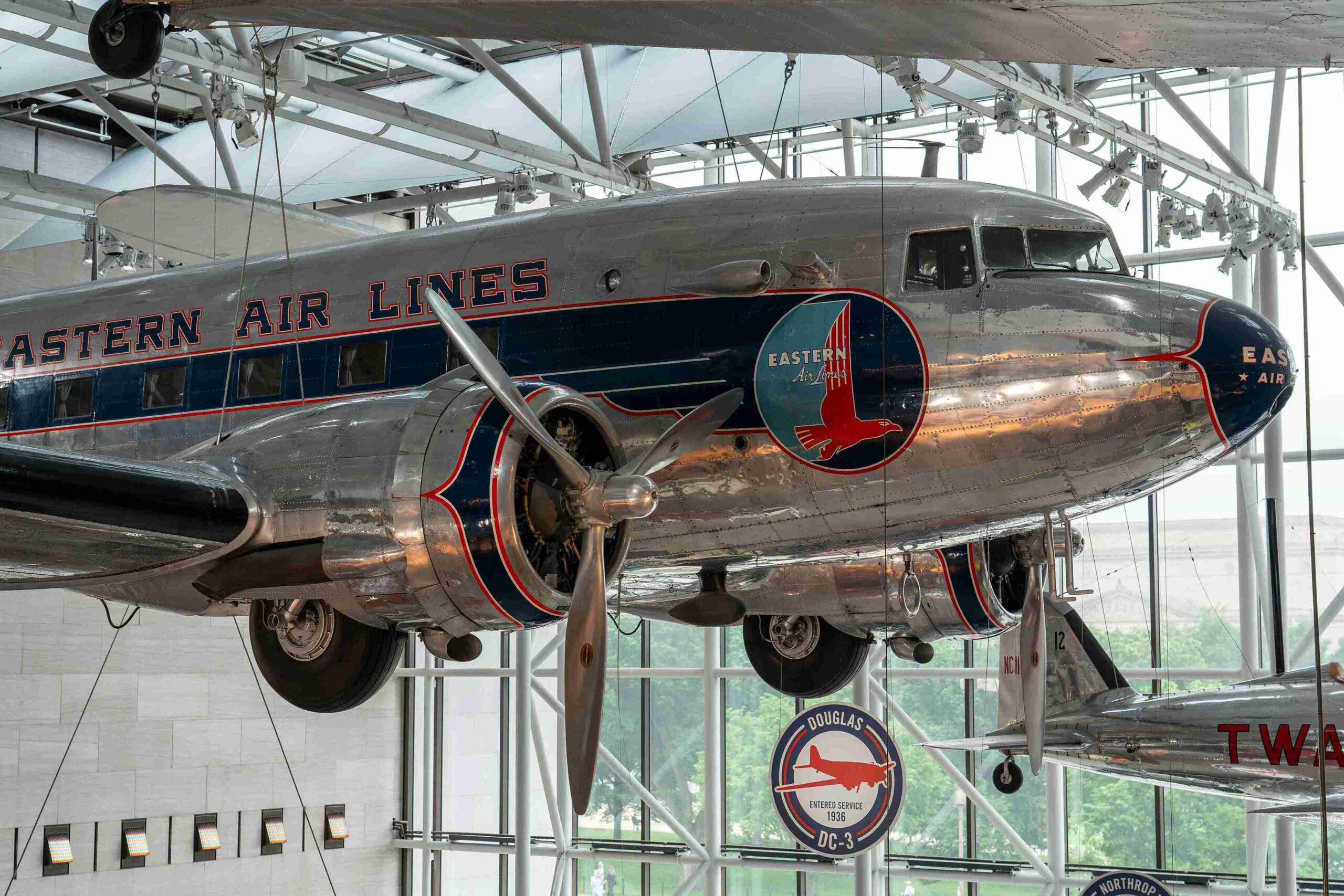
The National Air & Space Museum chronicles the evolution of human flight from early gliders to cutting‑edge spacecraft. Visitors can see iconic artifacts like the Wright Brothers’ 1903 Flyer, the first successful powered aircraft, and Apollo 11 command module Columbia, which carried astronauts back to Earth after humanity’s first moon landing. These objects aren’t just displays – they are touchstones of innovation, each representing a pivotal leap in technology and human achievement.
Beyond these world‑famous exhibits, the museum’s galleries include historic military aircraft, experimental planes, early space probes, and interactive educational displays that explain how flight works. For many visitors, seeing these machines up close transforms abstract history into a tangible and memorable experience.
Immersive Exhibits for All Ages
One of the museum’s strengths is its ability to engage diverse audiences. Children and adults alike can explore hands‑on galleries that explain principles of aerodynamics, space travel, and planetary science. Flight simulators and interactive displays offer users the chance to experience what it feels like to pilot a plane or navigate through space, making complex scientific concepts accessible and fun.
Special exhibitions rotate periodically, showcasing everything from rare aviation photography to deep dives into the science behind rockets and satellites. These temporary exhibits add freshness to repeat visits, helping the museum stay relevant as both technology and public interests evolve.
Beyond the Mall: The Steven F. Udvar‑Hazy Center
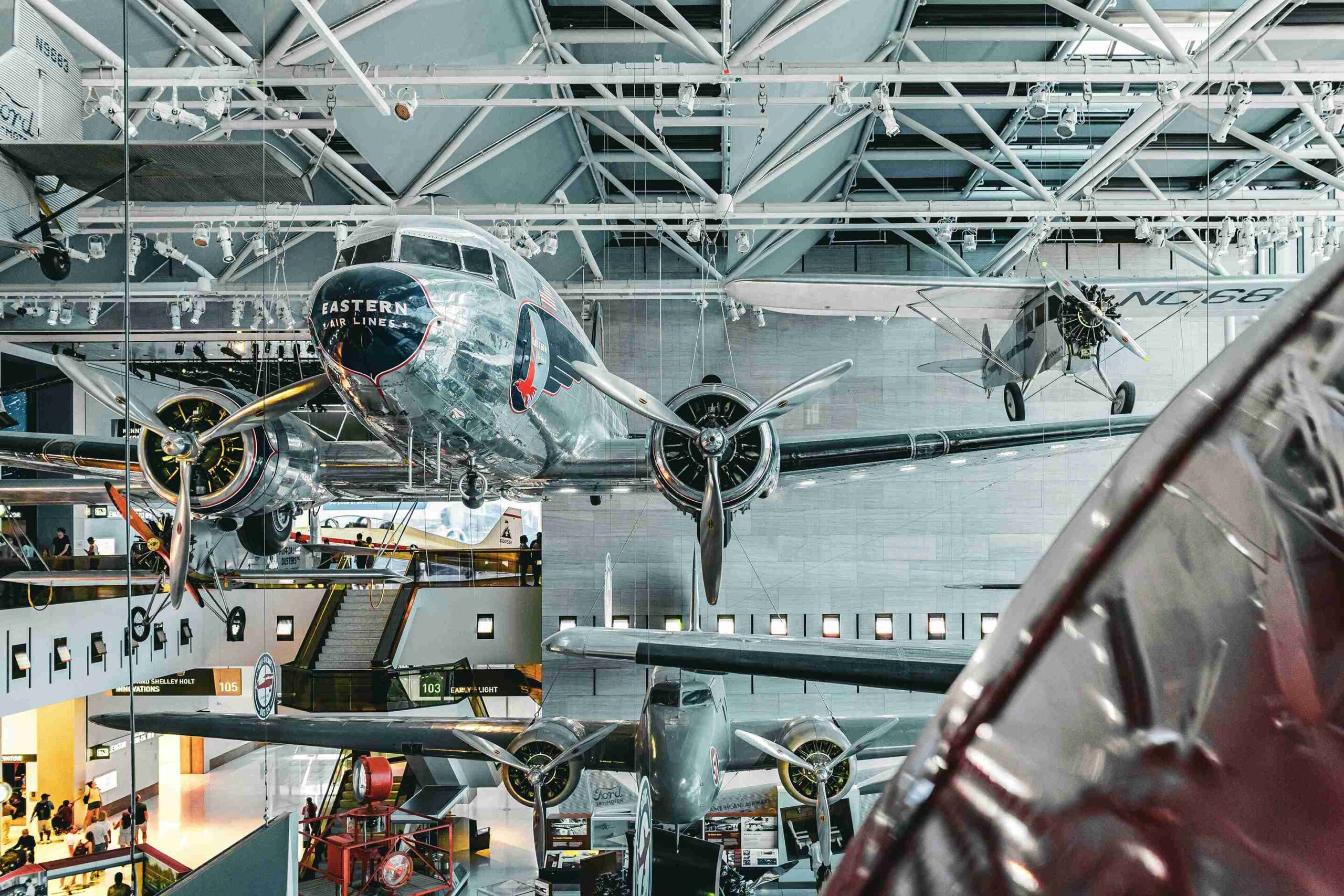
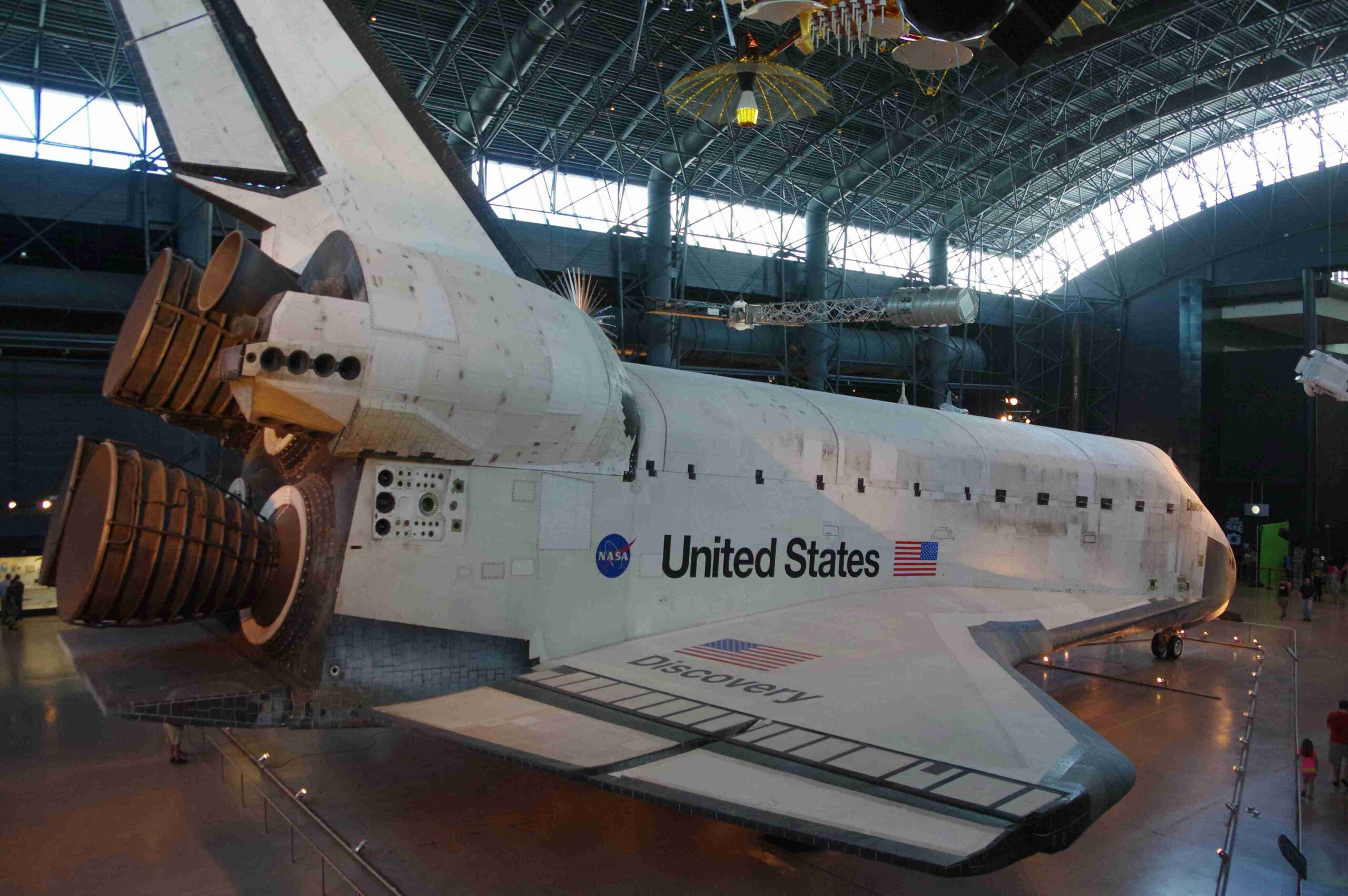
While many visitors assume the National Air & Space Museum is limited to the historic building on the National Mall, the institution’s reach extends to the Steven F. Udvar‑Hazy Center near Dulles Airport in Virginia. This companion facility houses massive artifacts that cannot fit on the Mall, including a space shuttle, large bombers, and the Enola Gay. Together, these two locations provide a comprehensive narrative of aerospace history.
Education, Inspiration, and Innovation
The National Air & Space Museum is more than a collection of objects; it reflects the spirit of exploration that drives science and technology forward. Through educational programs, lectures, workshops, and public demonstrations, the museum connects learners of all ages with the excitement of discovery. Teachers frequently bring students to the museum for field trips that align with science and history curriculum, fostering curiosity and learning outside the classroom.
For adults and lifelong learners, the museum’s lecture series and artifact talks bring expert perspectives on topics ranging from aerospace engineering to space policy.
What Makes It Worth a Visit
What sets the National Air & Space Museum apart is its balance of awe and accessibility. Seeing the original aircraft that conquered the skies and spacecraft that ventured into space offers a visceral connection to human ingenuity. At the same time, the museum’s interactive and educational elements ensure that visitors leave understanding not just what these machines were, but how and why they transformed the world.
Whether it’s your first visit to Washington, DC, or you’re a local returning to explore deeper, the National Air & Space Museum remains a destination that entertains, educates, and inspires. It invites visitors to look skyward, not just at what has been accomplished, but at what possibilities lie ahead.

Check out more DC attractions here!