
The Art of the Mediterranean Table: Inside José Andrés’ Zaytinya
For over two decades, Zaytinya has stood as a beacon of Eastern Mediterranean dining in Washington, D.C. Conceptually rooted in the shared culinary traditions of Greece, Turkey, and Lebanon, the celebrated brand founded by chef José Andrés has expanded its footprint to high-profile outposts at The Ritz-Carlton New York, NoMad, and inside The Forum Shops at Caesars Palace in Las Vegas. Guiding this growth are Michael Costa, Zaytinya Concept Chef, and Cameron Schmitt, Chief Design & Development Officer, who work together to preserve the brand’s historic identity while scaling its unique hospitality across distinct markets.
A Culinary Concept Rooted in Olive Oil
The entire culinary concept anchors itself on a single foundational element: olive oil. Translating directly to “olive oil” in Turkish, Zaytinya uses this core ingredient to weave together three distinct regional traditions into a cohesive culinary identity. As Costa explains, “Olive oil is the lifeblood of our cooking. It is the narrative thread that compels us to tell a coherent story that weaves together Greek, Turkish and Lebanese cuisine and history in a natural way. We love to focus on what unites people in our part of the world, rather than on what divides them.”
Balancing Heritage and Regional Innovation
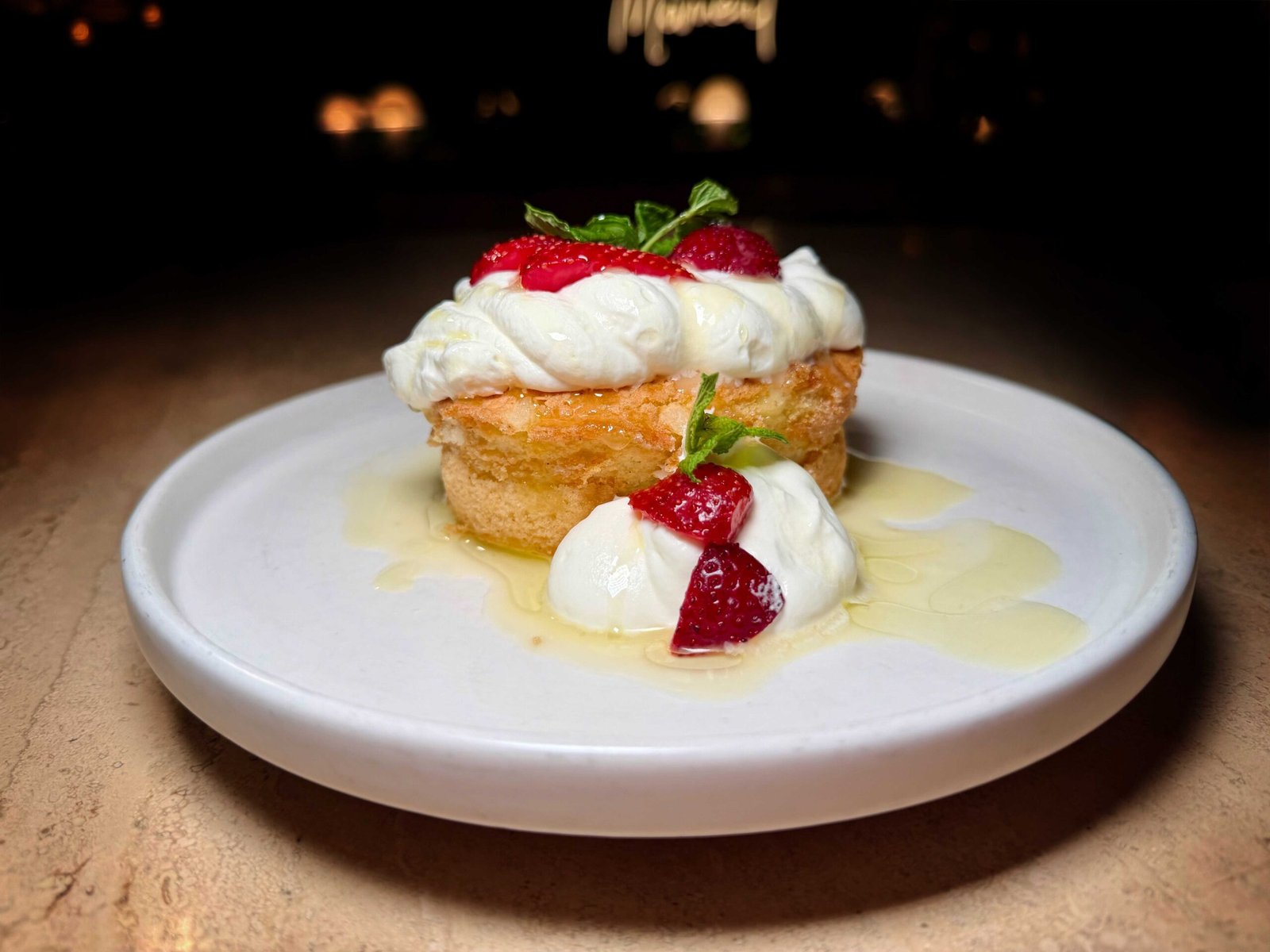
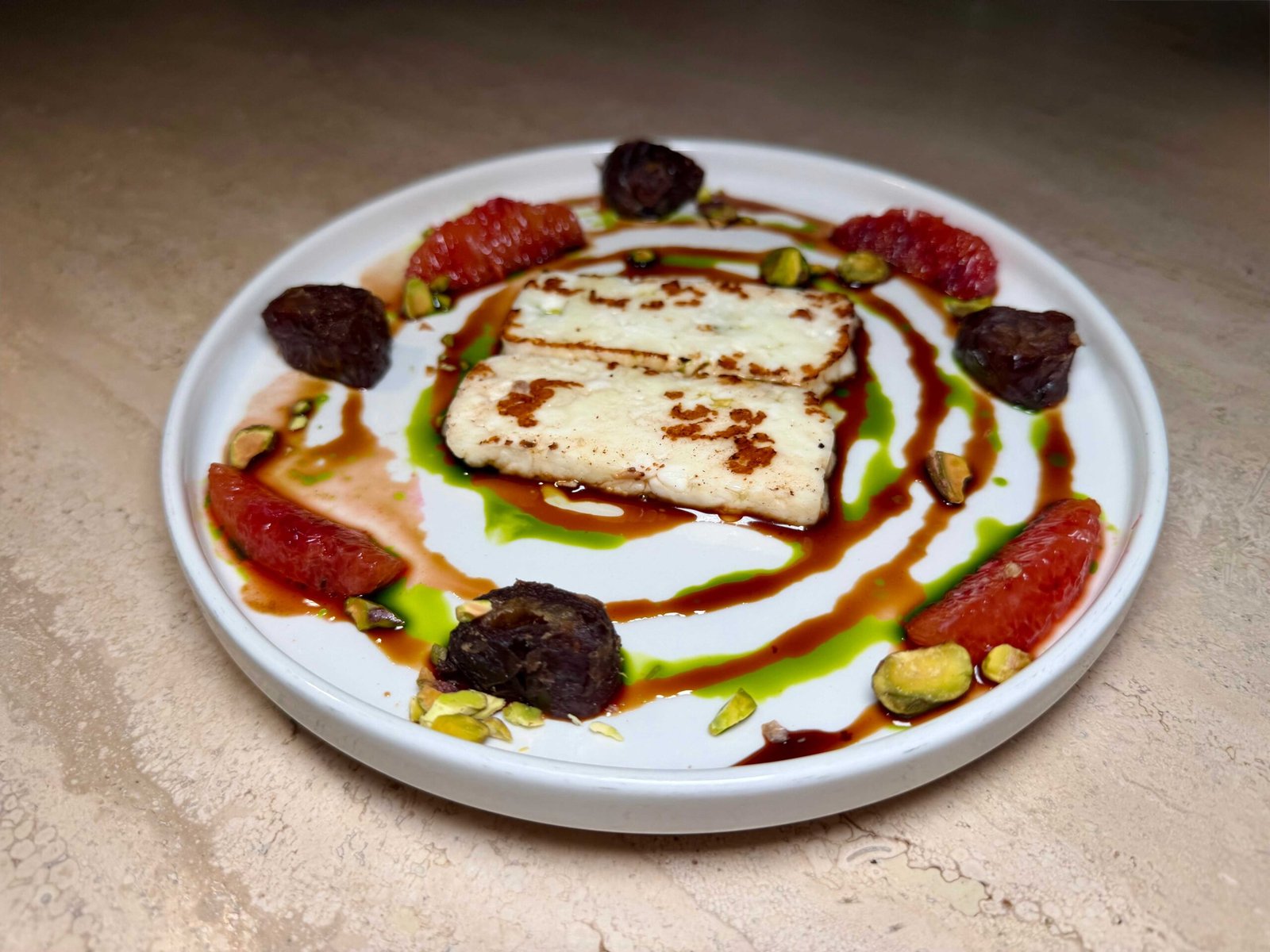
While iconic mezze items like hummus and crispy Brussels sprouts remain non-negotiable fixtures, executive chefs in D.C., New York, and Las Vegas have room to innovate. “Zaytinya has always been a collaboration between José, the Head Chefs and the many talented people who have contributed to our menus over the years,” Costa notes. “They are not only free to create for the menu. They are expected to. The only guidelines are that the dishes have to feel like they are a part of Zaytinya’s story and that they be awesome!”
Transportive Architecture and Interior Design
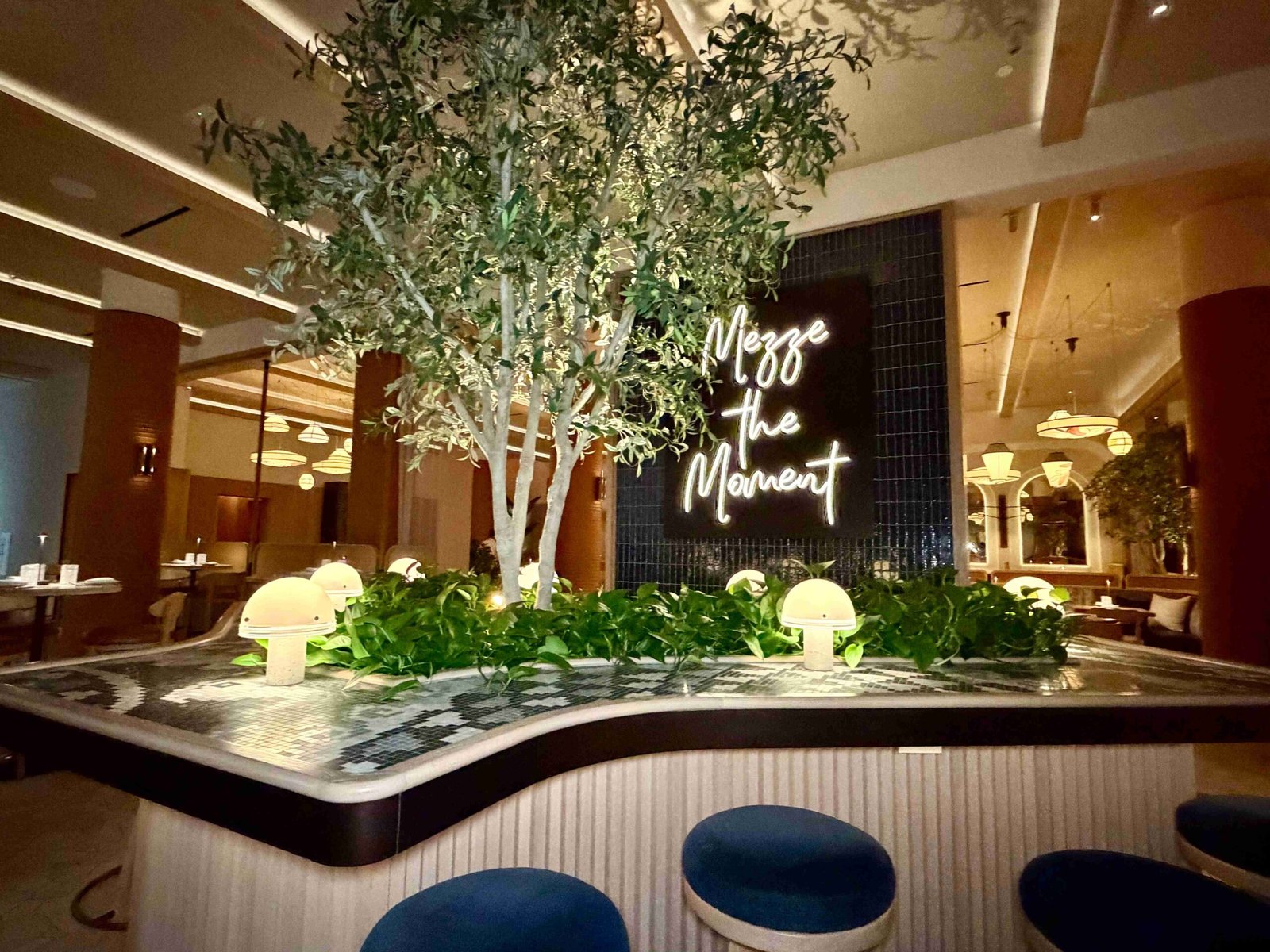
Architecturally, Zaytinya avoids tailoring its interior design to local cityscapes, instead creating transportive, Mediterranean-inspired environments. According to Schmitt, “The design of Zaytinya is intended to evoke the colors, textures, and feeling of the Mediterranean rather than react to the specific location of each restaurant.”
Designing an Oasis in Las Vegas
To achieve this in Las Vegas’s sprawling casino setting, the team partnered with Rockwell Group to blend regional warmth with modern luxury. “Rockwell Group paired Mediterranean warmth with refined modern details throughout the space. Large olive trees, natural stone mosaic floors, and light warm woods establish a clean, open feel,” Schmitt says. “This neutral base is complemented by patterned blue textiles, clusters of hand-painted shade pendant fixtures, and a custom backbar feature crafted from backlit blue and milk glass that subtly references the Greek mati symbol.”
Beverage Programs and Operational Pacing
This thoughtful balance of tradition and adaptation extends directly to the beverage program and floor operations. Curating an expansive selection of Mediterranean wines and signature cocktails like the Za’atar Margarita requires a delicate balance between guest preferences and culinary education. Costa describes this as “finding the sweet spot between listening to what the guest is asking for and showing them things they never knew they wanted.” When Zaytinya first launched in D.C., regional wines were largely unfamiliar to American diners, but persistent storytelling helped turn those bottles into mainstream hits. Today, guest feedback continues to shape regional offerings; for example, high demand for premium whiskeys at their Palo Alto location proved so strong that the team planned to expand it to the Las Vegas menu.
Navigating High-Volume Shared-Plates Service
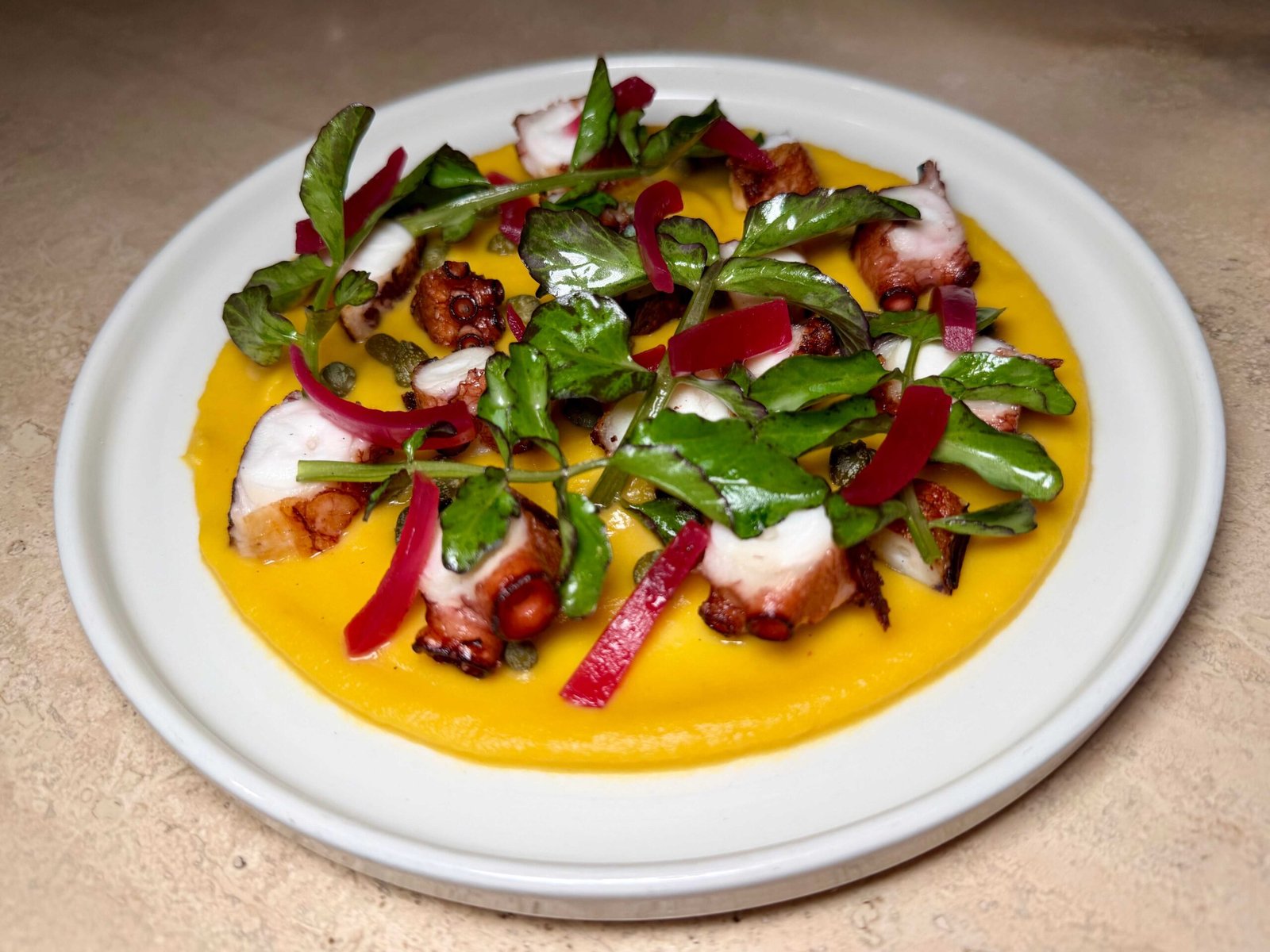
Managing a fast-paced, small-plates concept across diverse crowds—from D.C. power lunches to Las Vegas tourists—presents unique operational challenges that ultimately come down to table service. While modern kitchen display systems streamline ticket timing, service teams must read each table to set the right speed. “In every dining room there are people who want to slow down and relax, and there are people who want to get in and out as quickly as possible. Sometimes those people are even seated together at the same table!” Costa notes. “Learning how to navigate those choices for people with vastly different expectations in different parts of the country is exactly the kind of work that our service teams live for.”
Living the Mission Through Culinary Mentorship
Underpinning every aspect of daily operations is José Andrés’ overarching philosophy: “To Change the World Through the Power of Food.” Across every kitchen and dining room, that mission manifests as a commitment to internal growth and career development. “That can mean vastly different things to different people. For me it is about mentorship,” Costa reflects. “I want to improve our team’s lives by teaching them the habits and skills that they need to grow in our industry. Some of my proudest accomplishments are when I see our people grow from entry-level positions like dishwasher or prep cook into managers and sous chefs.”