
A Canvas of Global History: Exploring LACMA
Sharing a boundary with the La Brea Tar Pits on Los Angeles’ vibrant Miracle Mile, the Los Angeles County Museum of Art (also affectionately known as LACMA) is the biggest art museum in the western United States. Since its inception as an independent institution in 1965, LACMA has established itself as an absolute powerhouse of visual culture.
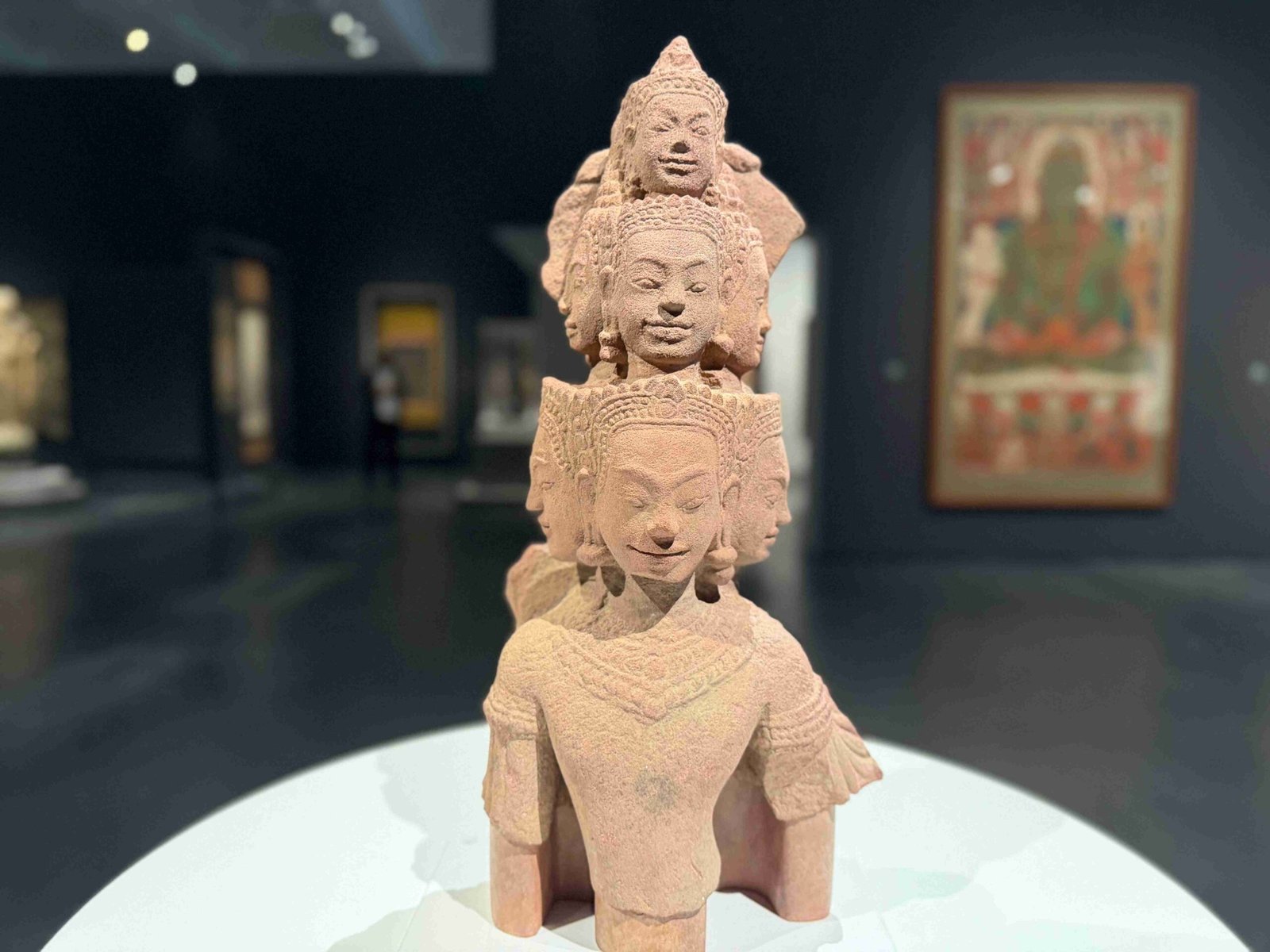
With a vast repository of nearly 152,000 objects ranging over 6,000 years of human creativity, the museum treats art not as a static relic, but as an ongoing, global conversation. Its expansive multi-building campus mirrors the diverse, intersectional identity of Los Angeles itself.
1. Architectural Landmarks and Public Art
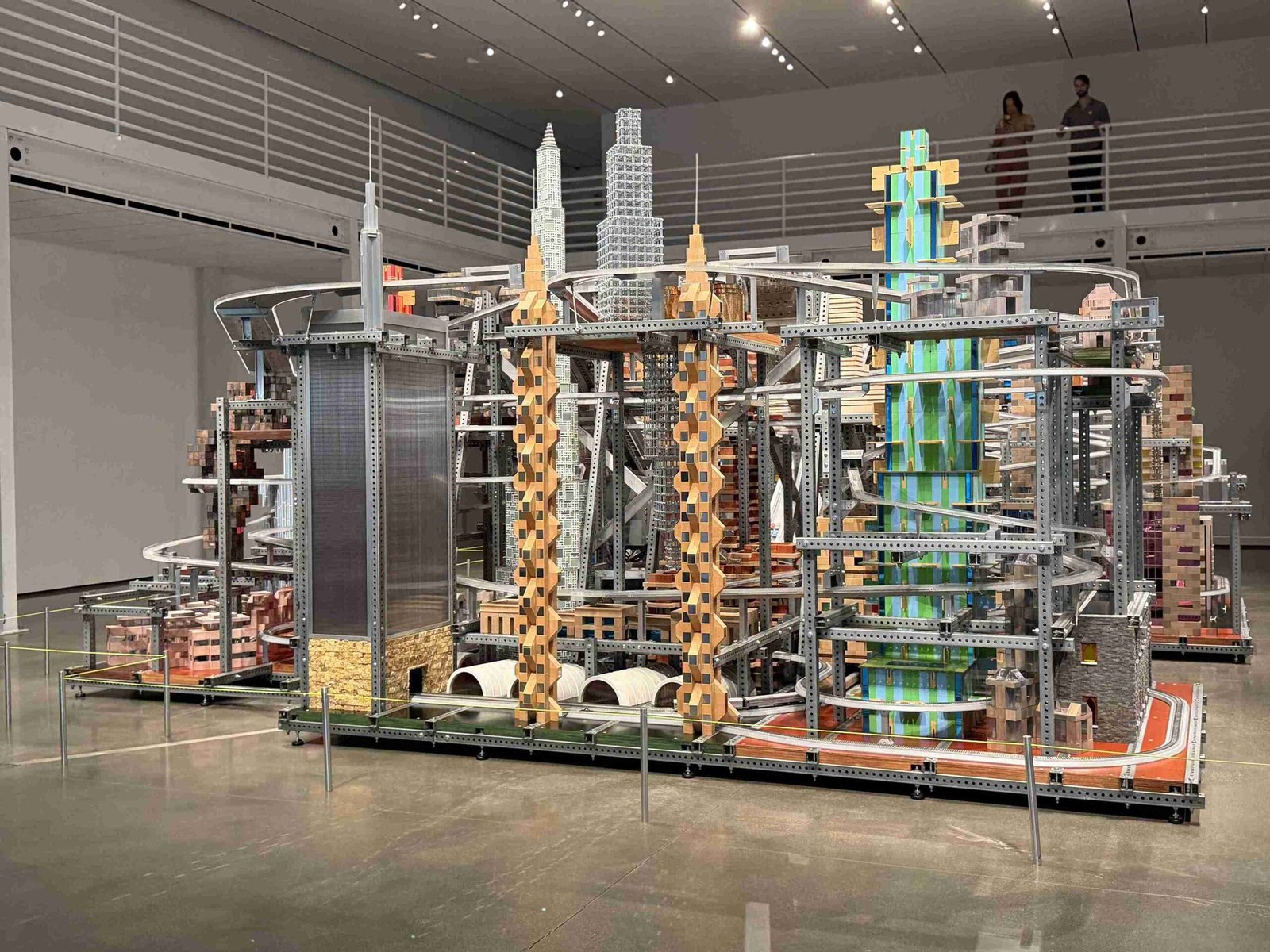
Before you even step inside an exhibition gallery, LACMA greets you with some of the most iconic, photo-documented public art installations in the world.
- Urban Light by Chris Burden: Guarding the Wilshire Boulevard entrance, this breathtaking outdoor sculpture features 202 antique cast-iron streetlamps collected from cities across Southern California. Restored to working order, they illuminate the plaza nightly, serving as a symbolic, glowing gateway to the arts.
- Levitated Mass by Michael Heizer: Situated on the back plaza, this monumental land-art installation features a 340-ton granite boulder perched precisely atop a 456-foot-long concrete trench. Visitors walk underneath the massive stone, experiencing a thrilling contrast of scale, gravity, and perspective.
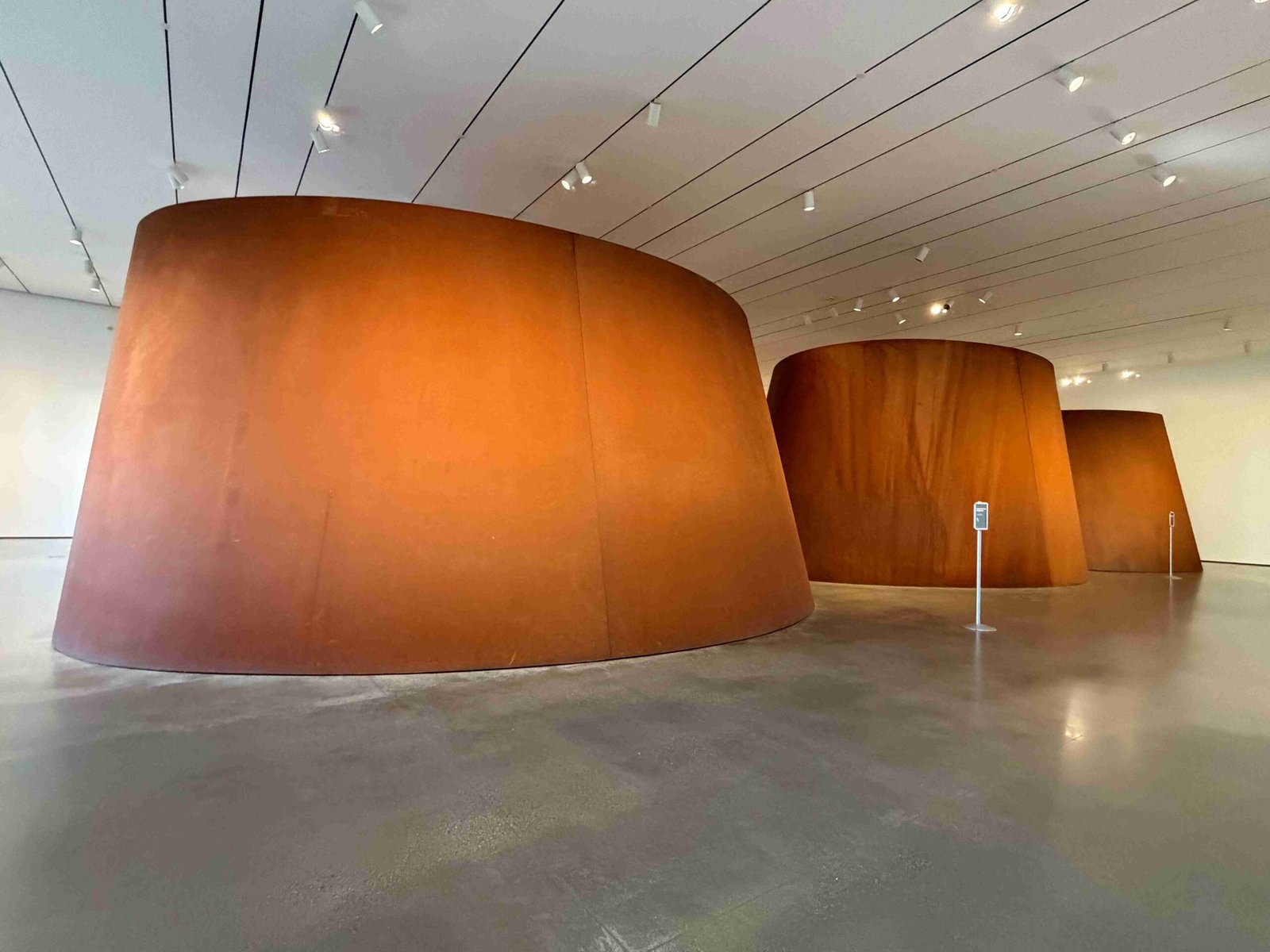
- The Transformation: The campus features the grand, newly opened David Geffen Galleries, a visionary architectural transformation designed by Peter Zumthor that reimagines how collections interface with the public.
2. A Universe of Diverse, Global Collections
LACMA’s massive collection is celebrated for its deep holdings in areas that traditional Western museums historically overlooked. Key highlights of their permanent and rotating curation include:
- Latin American Art: A spectacular, world-renowned collection tracking the visual history of the region from pre-Columbian masterpieces to modern, boundary-pushing contemporary art.
- Asian Art: Sprawling galleries dedicated to Japanese, Chinese, and Korean art, alongside one of the finest collections of Islamic art in existence.
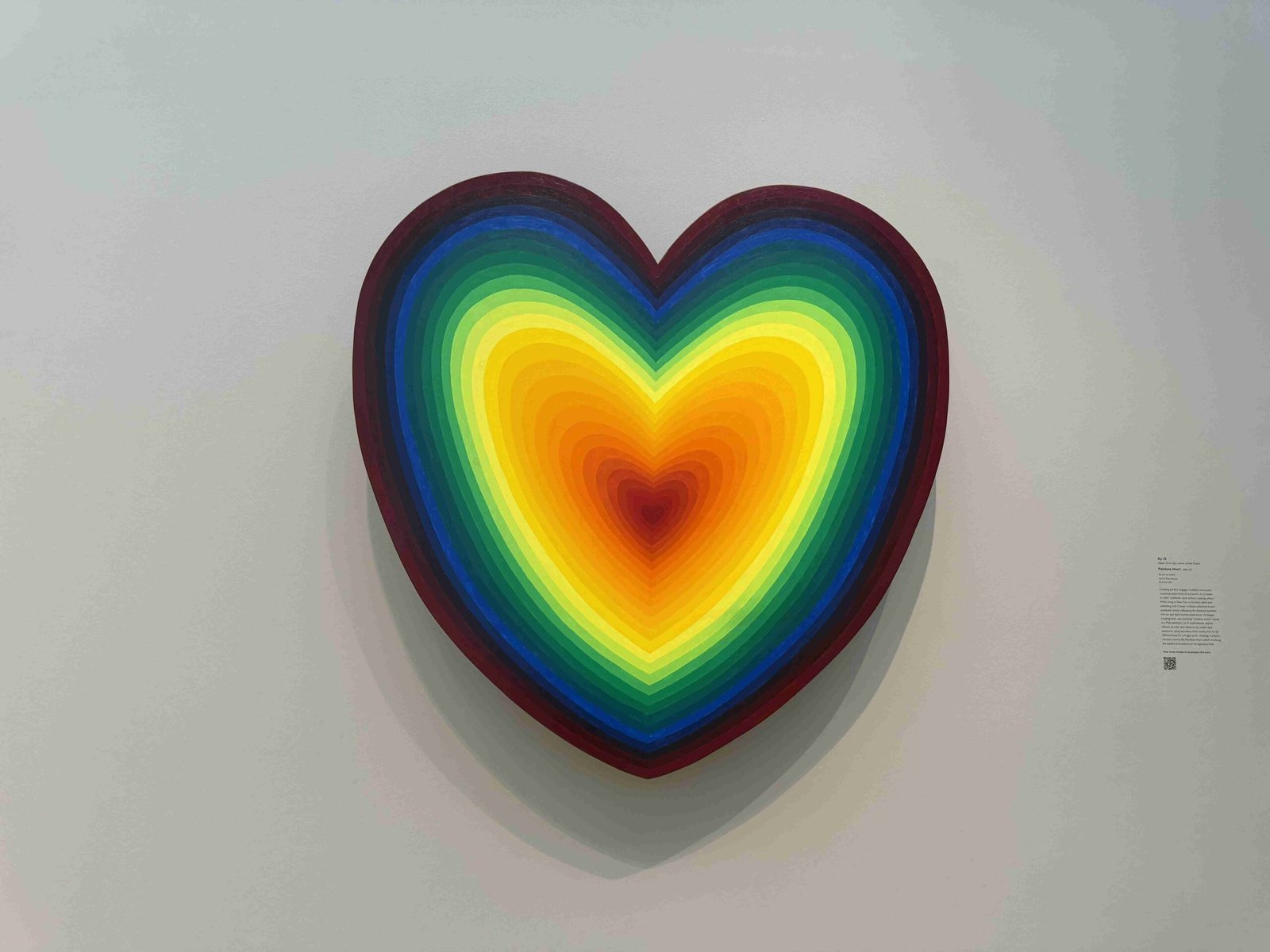
- Modern and Contemporary Art: Featuring definitive masterpieces by heavyweights like Henri Matisse, René Magritte, and Diego Rivera, paired with colossal contemporary murals like Mark Bradford’s 150 Portrait Tone.
3. Dynamic 2026 Exhibitions and Live Culture
LACMA functions as a living cultural theater with rotating exhibits and public programming. Notable features currently anchoring the museum include:
- Fashioning Chinese Women: Empire to Modernity: A stunning journey tracking a century of societal transformation told through more than 70 exquisite ensembles from Shanghai, Hong Kong, and America.
- Collecting Impressionism at LACMA: A fascinating, self-reflective exhibition that examines how the historical tastes of Hollywood’s elite collectors shaped the museum’s French Impressionist collection over the decades.
- Jazz at LACMA & Live Programs: On Friday evenings from spring through autumn, the Smidt Welcome Plaza transforms into an open-air concert venue hosting L.A.’s finest jazz musicians—a beloved local tradition that brings the community together under the glow of the pavilion.
Planning Your Visit
LACMA is located at 5905 Wilshire Blvd, Los Angeles, CA. The museum is open daily from 11:00 AM to 6:00 PM (with extended hours until 8:00 PM on Fridays), and is closed on Wednesdays.
Because of its massive size and the inclusion of the newly minted Geffen Galleries, reserving a timed-entry ticket online in advance is highly recommended. It pairs beautifully as a full-day itinerary with its immediate neighbors on the Miracle Mile: the Academy Museum and the Petersen Automotive Museum!